
Providing artists and curators with the opportunity to access knowledge and networks, CPR has developed a series of research programs in various locations in the world. Responding to specific local needs, each program features a unique format and objectives.
Sign up for our newsletter to stay up to date with our open calls and opportunities.

A nomadic research residency for curators
When CPR launched in 2015, there was no shortage of talented curators — only a shortage of funded ways for them to do serious research abroad. Most residencies were built for artists or assumed a private income. The Core Program was CPR's answer, and remains our foundation: each year we select 6 to 8 curators through an open call for a fully funded, three-to-four-week immersion in a regional art scene, with international flights, accommodation, and some meals covered, so participation depends on curatorial promise, not personal means. The program combines lectures and workshops with studio and institutional visits, connecting each cohort directly with the artists, curators, and institutions actively shaping the scene.
Each edition travels a route built around one question — how does this region's art scene actually work, and who is holding it together. In 2026 that took eight curators through Algiers, Tunis, Rabat, and Marrakech; in 2023–24, through Oslo, Bergen, Tromsø, and Sámi communities of northern Sweden to Helsinki, from independent spaces like Box24 and LE18 to institutions like the National Museum and Kiasma. Unlike the single-city, career-focused format of programs CPR has since built for artists, such as Hello New York!, the Core Program is built on travel, direct contact, and local partners — OCA, Frame Finland, Mouhit Space, L'Appartement 22 — who make each edition possible. Now in its tenth edition, it has helped fund more than 137 fellowships since 2015.
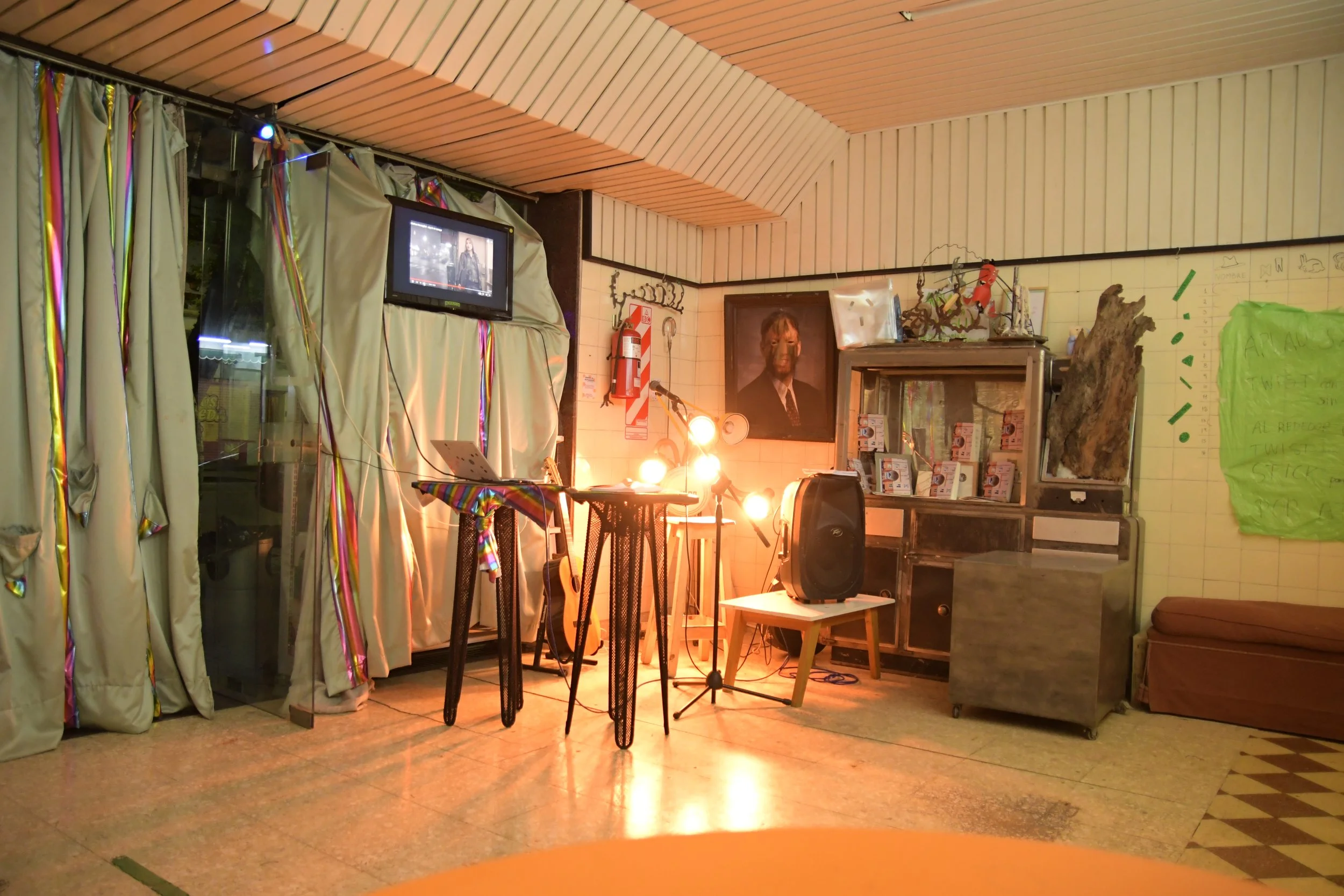
CPR2 - The Apartment - Film Festival - Exhibition Award
Special Projects is where CPR builds outside the shape of its annual programs — a rotating set of initiatives shaped around specific opportunities rather than a fixed calendar, each running for a limited time and retired or reinvented once its moment passes. CPR² turned 350 square feet of storefront space in Williamsburg, Brooklyn into an artist residency and exhibition venue, its glass front keeping the work visible to the street around the clock. The Apartment moved that same idea to Buenos Aires, pairing invited Nordic artists with a local host who immersed them in the city's daily life. CPR Film Festival traveled the other direction, turning the artists a curator meets abroad into a touring film and video program screened at partner venues and art fairs worldwide. And the CPR Exhibition Award funded a former resident curator to realize a show of their own, the first backing Nerea Ubieto's Return Flight Ticket in Madrid. Four different shapes, one shared instinct: build something new whenever the opportunity is worth it.
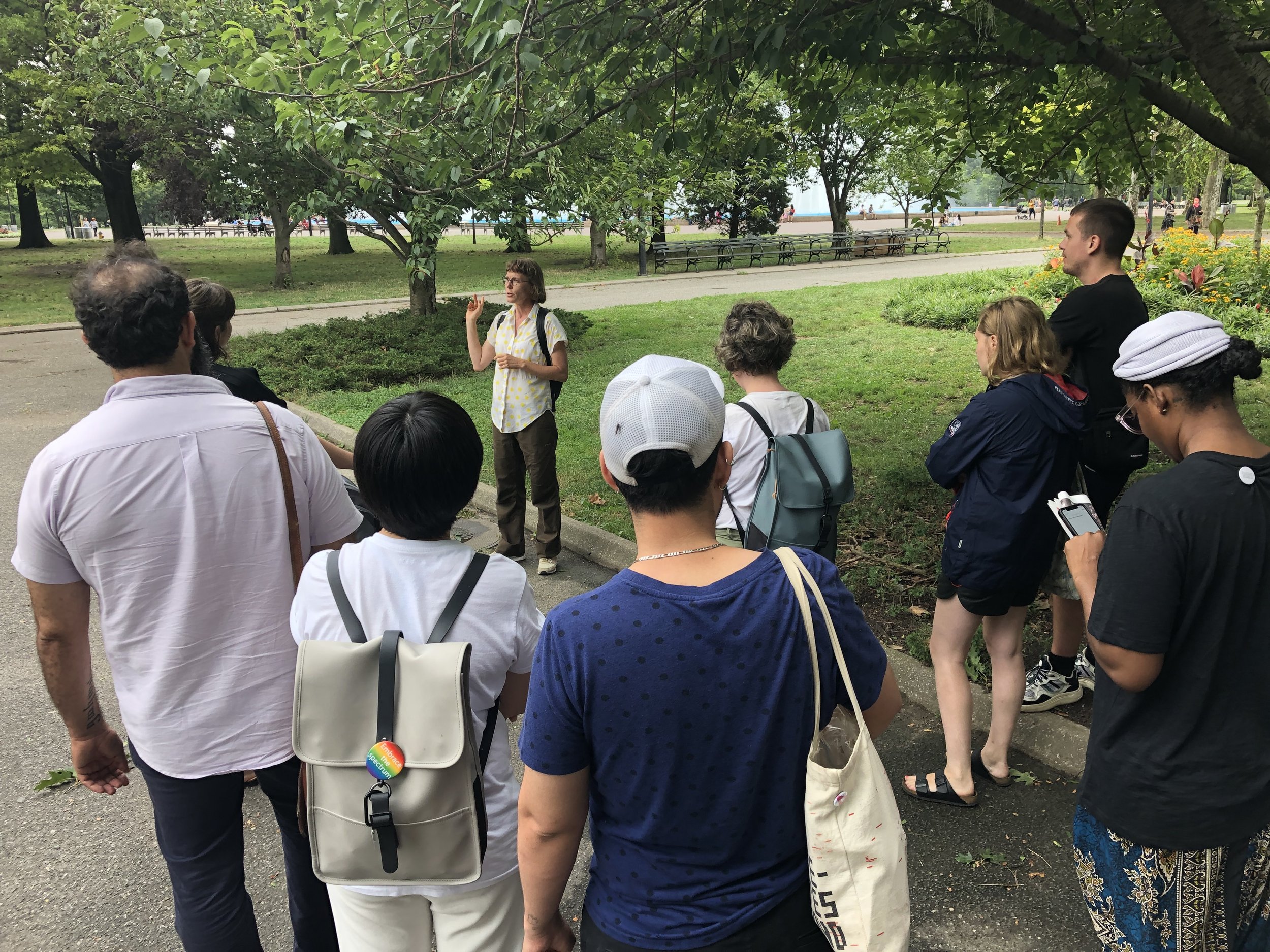
A professional development residency for artists, with a focus on NYC's LatinX community
New York's art world is dense, competitive, and notoriously hard to break into — harder still without an existing network. Hello New York! was built to close that gap, with a particular focus on supporting LatinX artists and other underrepresented groups working on the environment, equality, migration, displacement, decolonization, and indigenous knowledge. The program is tuition-free, and since 2025 each participant has also received a $400 stipend. It isn't structured to produce new work — no studio time, no exhibition — but to build the relationships, knowledge, and visibility that make a career in New York possible.
Held annually at different partner locations across the city's galleries, studios, and institutions, Hello New York! is CPR's professional development and networking workshop for artists, distinct from our core research residency. Over two intensive weeks, a cohort of up to 20 local and international artists who've recently moved or plan to move to New York works through the practical realities of sustaining a practice here: lectures and panels on grant writing (with guests from Brooklyn Arts Council and NYC's Department of Cultural Affairs), gallery representation (PROXYCO, Instituto de Visión, P·P·O·W), the finances of freelance life, and visits to residency programs like Triangle, ISCP, Skowhegan, and Smack Mellon. Each cohort meets close to thirty curators, gallerists, and fellow artists along the way — introductions that, through studio visits and informal gatherings, tend to outlast the program itself.