Curatorial Program for Research · Since 2015
Access to the art world shouldn't depend on who you already know.
CPR runs two fully-funded programs, both selected by open call and free to attend: a curatorial research residency that travels, and a professional development residency for underrepresented artists building a career in New York.
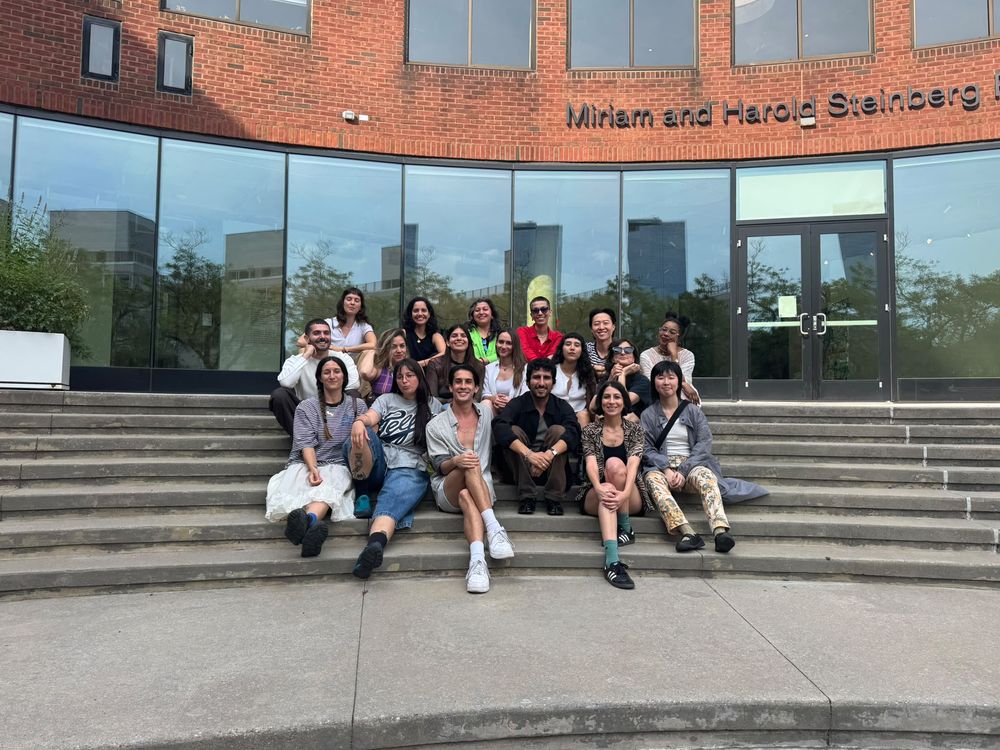
artists & curators
Two programs
One in New York. One that travels.
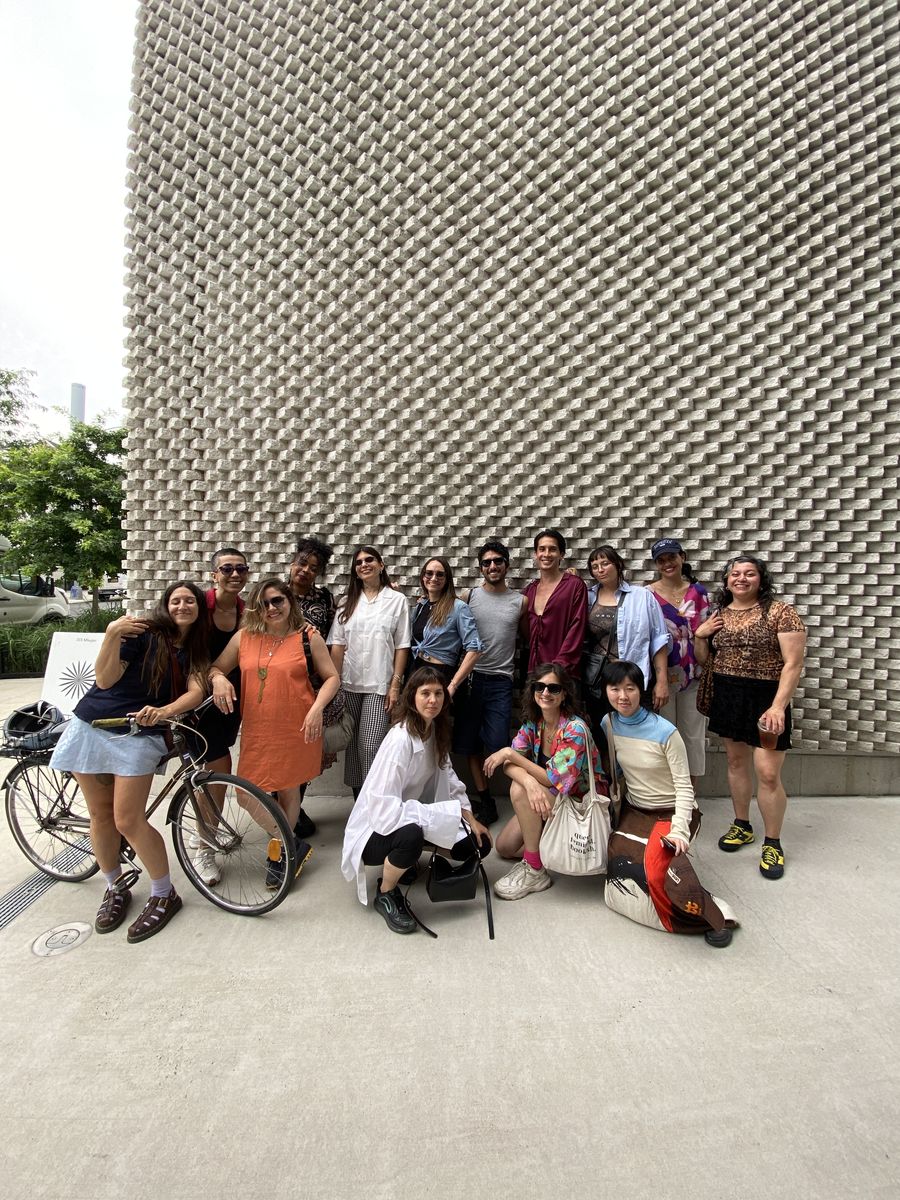
Hello New York!
A professional development residency for underrepresented artists — with a focus on New York's LatinX community — building the relationships a career in this city runs on. Tuition-free, with a stipend, for up to twenty artists a year.
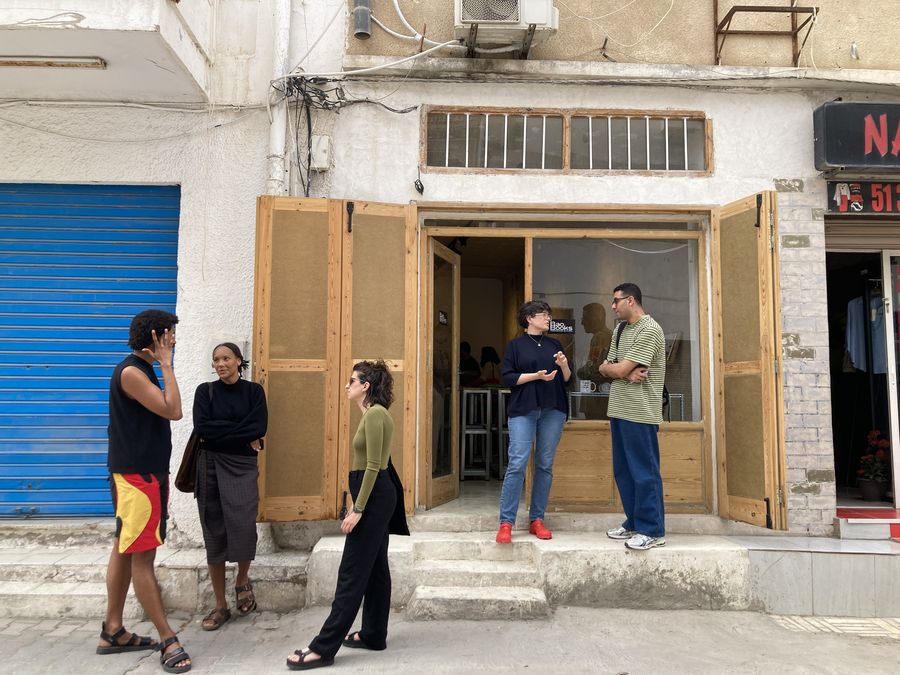
The Nomadic
Our signature program, and a curatorial research residency that moves: up to eight curators a year, depending on the edition, for a fully-funded immersion in a regional art scene. Flights, accommodation and some meals covered.
New York
Half our work is now here — and growing.
CPR began as a curatorial research program that travelled, and that remains our signature. But an equal half of what we do now happens in New York, with artists who are underrepresented and underserved in this city's art economy — a focus on the LatinX community above all.
The two halves answer the same question from opposite directions. A curator in Buenos Aires or Rabat needs a way into scenes that are closed to them by geography. An artist who has just moved to New York needs a way into a scene that is closed to them by network. Neither gap is about talent.
Hello New York! is where that second half lives, and it is the part of our work growing fastest.
About CPR
Access and exchange, fully funded.
The Curatorial Program for Research supports the professional growth of underrepresented and underserved artists and curators, and promotes access and exchange through fully-funded residencies. Founded in 2015, CPR runs two programs: Hello New York!, a professional development residency connecting artists with New York City's art community, and The Nomadic, a curatorial research residency that moves to a different region each year.
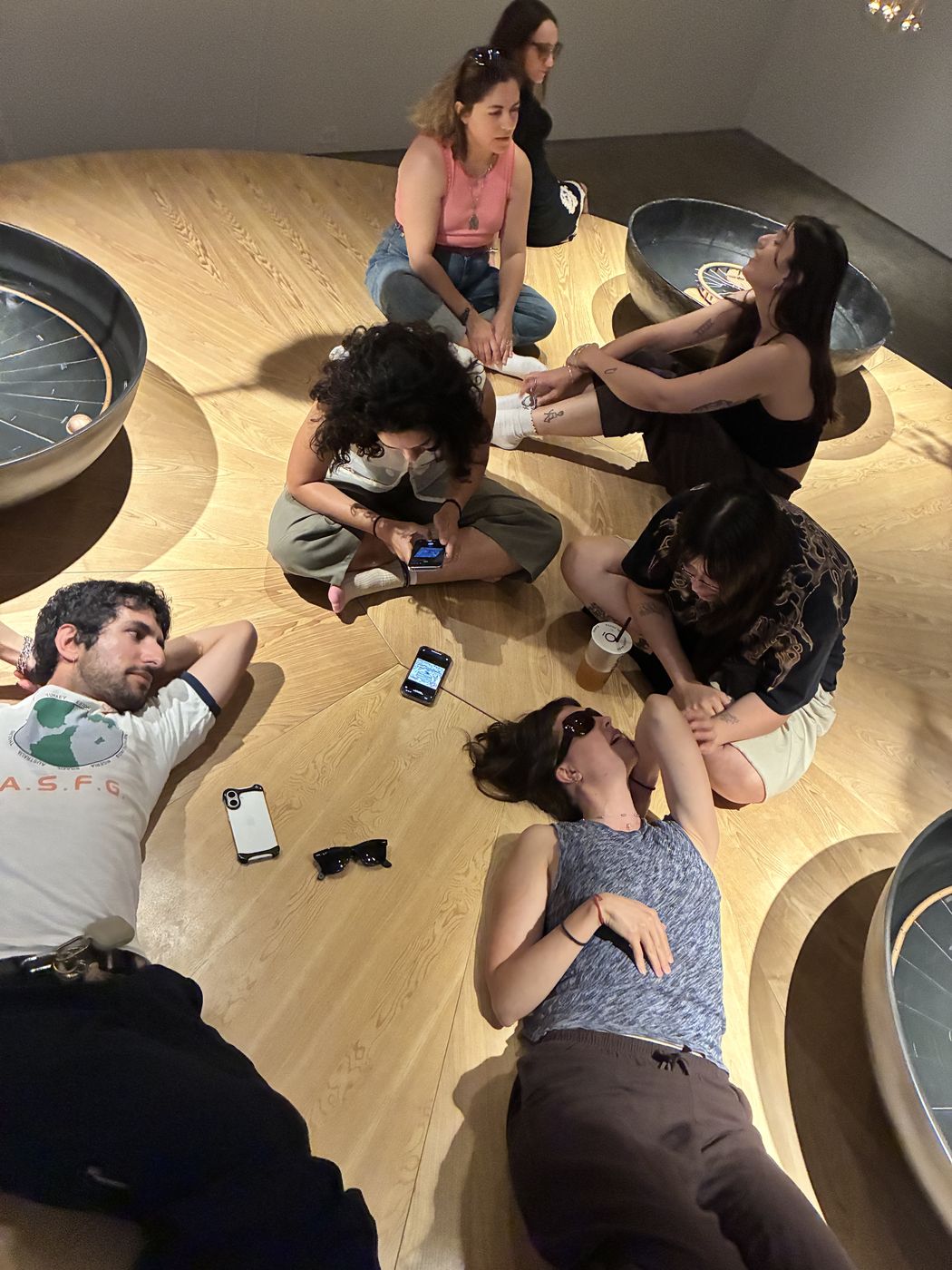
Both are selected through an open call and free to attend. Since 2015, 158 artists and curators have been CPR fellows — 86 curators across eleven editions of The Nomadic, 63 artists across five editions of Hello New York!, and 9 through Special Projects — and the community around them reaches much further. Every edition brings our residents into direct contact with 20 to 50 local art professionals, and our public presentations regularly draw audiences of over 100 people.
With gratitude
Who funds this work.
Every CPR program is paid for by public arts agencies, foundations and national cultural institutes — each of which reviewed our work competitively before funding it. These are some of the funders who have supported this work since 2015, whether over many years or for a single edition.
United States — public agencies
6
- National Endowment for the Arts
- New York State Council on the Arts
- NYC Department of Cultural Affairs
- Brooklyn Arts Council
- Citizens Committee for New York City
- Humanities New York
Foundations, trusts & collections
4
- The Andy Warhol Foundation for the Visual Arts
- Helen Frankenthaler Foundation
- The Cowles Charitable Trust
- Colección DiéresisGuadalajara
Nordic & European agencies
14
- OCA — Office for Contemporary Art Norwayoca.no
- Nordisk KulturfondNordic Culture Fund
- IASPISSwedish Arts Grants Committee
- Swedish Arts Grants Committee — International Programme for Visual and Applied Arts
- Swedish Arts Council
- Danish Arts Foundation
- Frame Contemporary Art Finland
- Visual Artists Support Center NorrbottenResurscentrum för Konst
- Region Stockholm
- Region Skåne
- City of Oslo
- Malmö stad
- Jokkmokk kommun
- Sveriges Konstföreningar
Cultural institutes & missions
13
- Frame Contemporary Art Finland
- Finnish Cultural Institute in New York
- Finnish Cultural Institute in the UK and Ireland
- Swedish Institute
- Czech Centre New York
- Royal Norwegian Embassy in New York
- Royal Norwegian Embassy in London
- Royal Norwegian Embassy in Beijing
- Royal Norwegian Embassy in Rome
- Embassy of Sweden, Washington D.C.
- Secretaría de CulturaMexico
- Ministry of Culture of Argentina
- MAM MedellínMuseo de Arte Moderno de Medellín
Community
A network you can actually browse.
Since 2015 an ever-growing circle of curators, artists and institutions has opened its doors to CPR — the people who shaped a program from the inside out, and the ones who simply invited a group of strangers in for an afternoon.
All 1,046 of them are on the map: filter by relationship, search a name, or click a country to see who is there.
A note from our Director and Founder
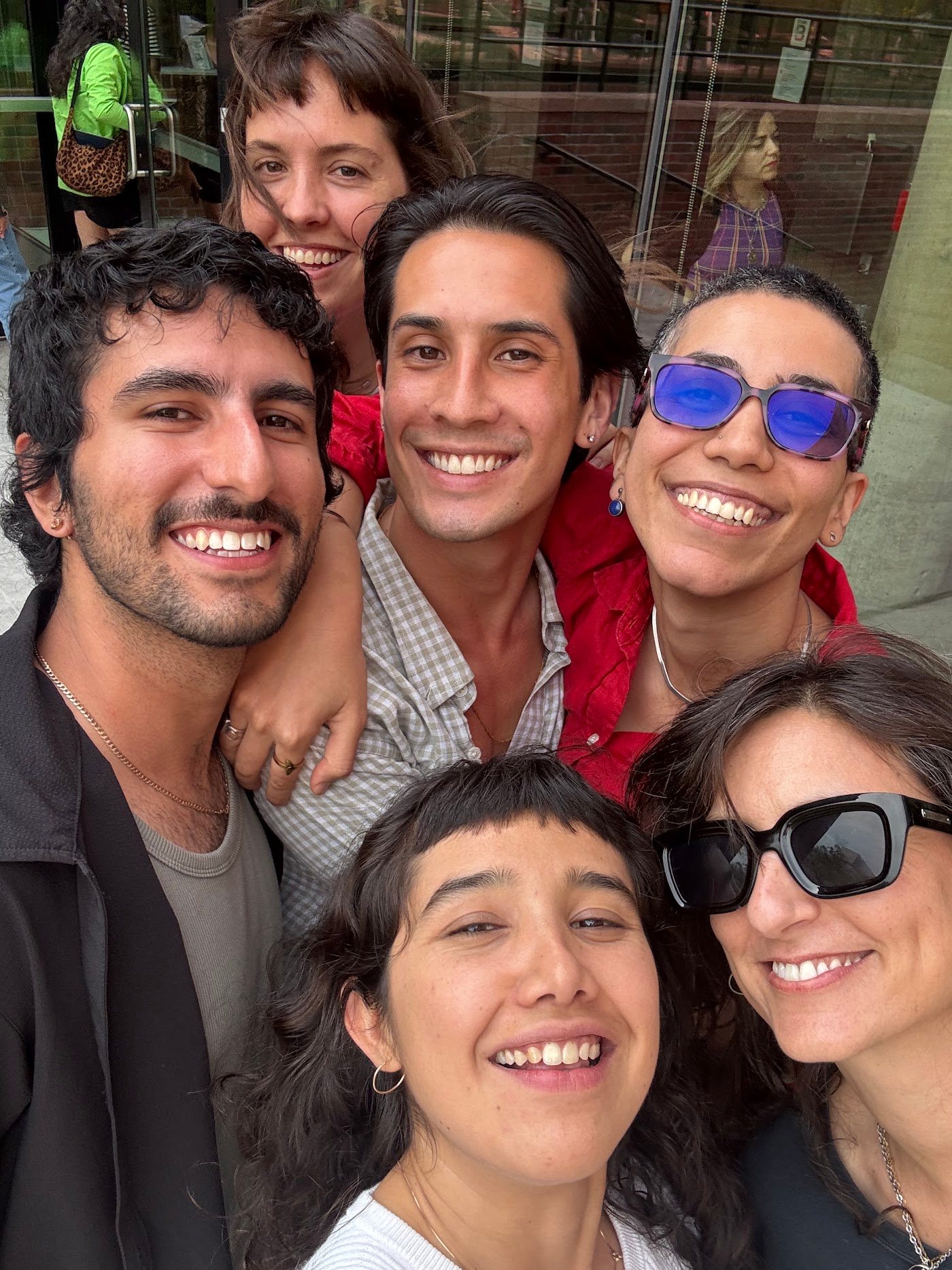
Eleven years in, what's endured is the friendships.
I had just moved to the Midwest, away from the bustle and energy of New York City. Now I suddenly felt alone and isolated—connected only to the people whose emails were stored in my phone. I was living in a cold, generic-looking apartment building, the sort of building that could exist anywhere and reflected no character whatsoever. In this new city everything seemed distant, cold, prepackaged.
But that isolation got me thinking: what was I longing for? It was not the city; it was not the weather: it was the people. I sat down and sent an email to colleagues around the world, asking them to help me build an international platform for curatorial research. I needed to feel the warmth of life, to be connected to others, and it turns out, so did they.
Questions
Before you apply.
What does it cost, and what is covered?
Both programs are free to attend. There is no tuition and no participation cost.
- Hello New York! — tuition covered and a stipend provided, varying by edition. Accommodation, local transport and meals are not covered.
- The Nomadic — international flights, accommodation and some meals covered. Travel stipends are applied for where possible.
How long do the programs last?
Hello New York! runs two weeks. The Nomadic runs three to four weeks. Attendance for the full length is required — the schedule is immersive and conceptually connected, so partial attendance is not possible.
Who decides who takes part?
Applications are reviewed by CPR staff together with the local hosts and partners of that edition. We publish the hosts and jurors of each edition afterwards, alongside the cohort — the record lives on the cohort pages.
Does my home address affect my application?
For The Nomadic, no — applicants from anywhere in the world are encouraged to apply, and we have hosted fellows from fifty-three countries. Hello New York! is designed for artists who live in New York City or are moving here.
How much do I need to know about the region already?
Knowledge of the area will enrich your experience, but it is not a requirement. CPR exists to foster exchange between distant cultures, and we welcome participants with backgrounds unlike the place they are travelling to.
Do you help with visas?
CPR does not assist with visa applications, but we provide invitation letters to all selected residents.
Is there an age limit?
None. Participants of any age, background and gender are encouraged to apply.