
2026 → Hello New York!
-
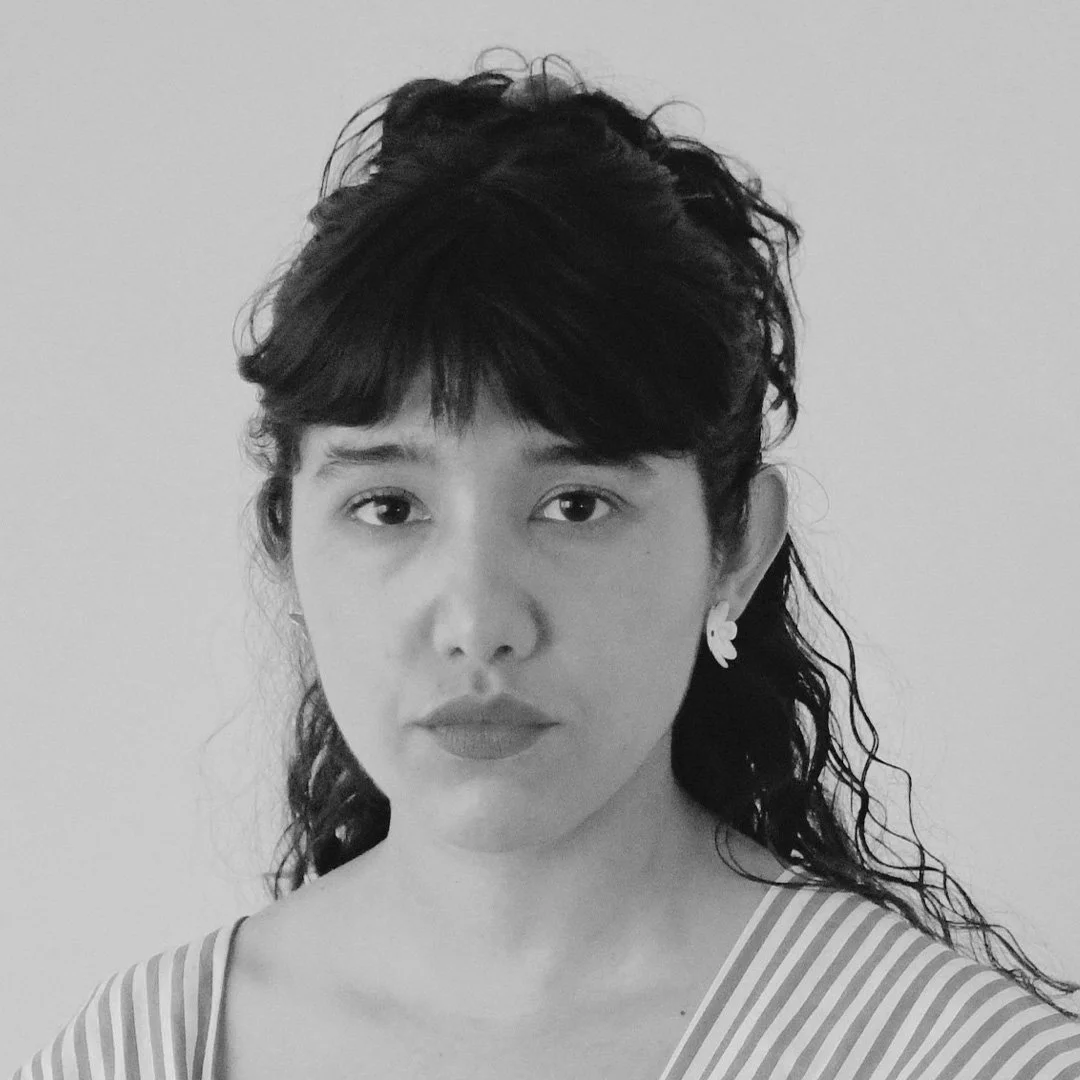
Adriana Flores
Adriana Flores Suárez is a Mexico City-based curator and researcher working at the intersection of environmental justice, speculative fiction, and contemporary artistic practices in Latin America. Flores Suárez participated in the Curatorial Program for Research in 2026 as part of a curatorial practice grounded in interdisciplinary research and institutional collaboration.
She is the founder and curator of LAVA, a curatorial platform addressing planetary crises through art and cross-disciplinary inquiry. Her curatorial work has been presented in collaboration with institutions including the Isabel y Agustín Coppel Collection, Museo Universitario del Chopo, and Museo Jumex, as well as independent spaces across Mexico City. She is currently part of the curatorial team at Museo Jumex and is completing an MA in Art and Curatorial Practice at The New Centre for Research & Practice, developing a practice focused on ecological thinking and institutional critique.
-
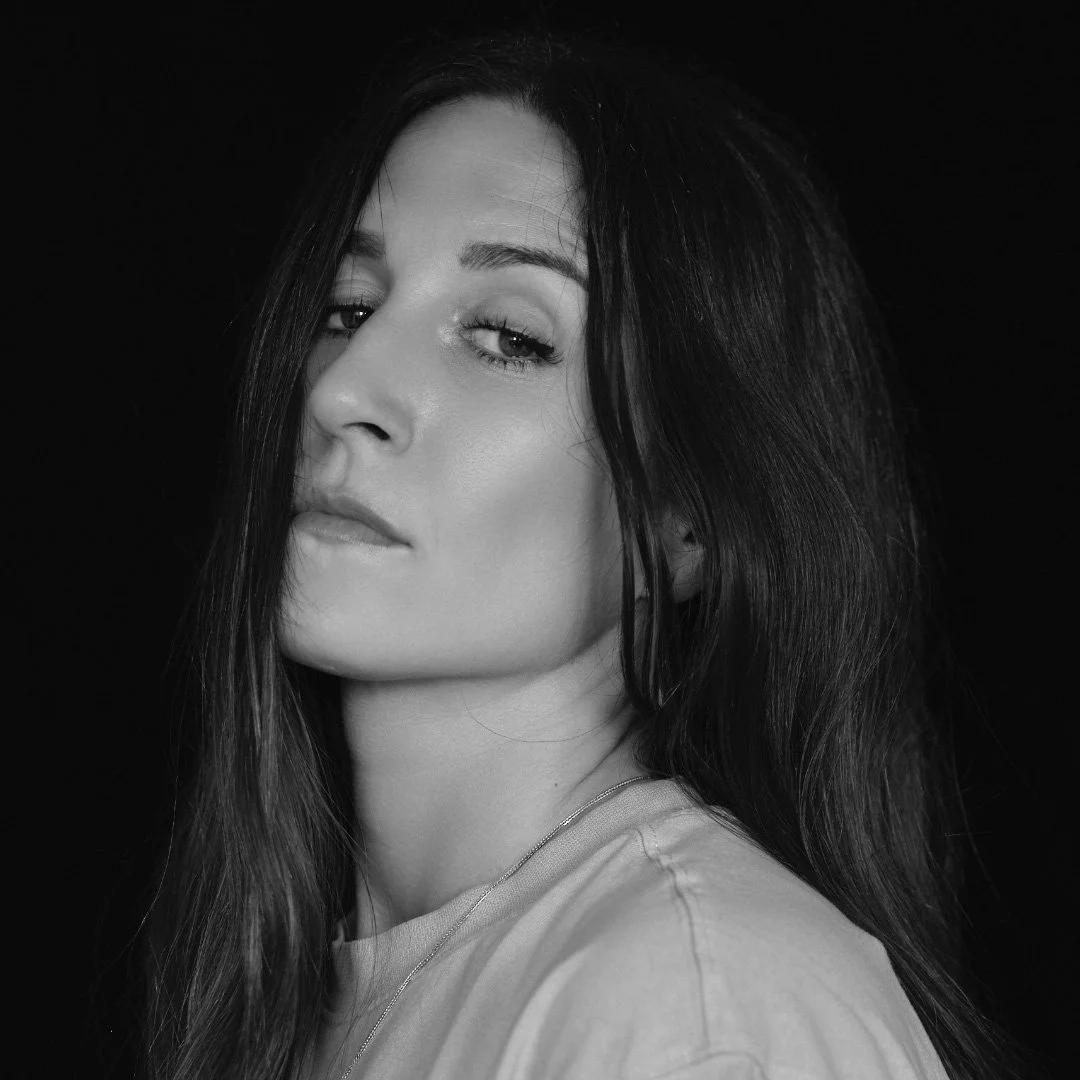
Andrea Gandarillas
Andrea Gandarillas is an interdisciplinary artist based between New York and Madrid. Her practice, informed by film, sculpture, and spatial installation, was developed further through participation in the Curatorial Program for Research in 2026.
Trained in film at the Universidad Complutense de Madrid and the Escuela Internacional de Cine y Televisión (EICTV) in Cuba, as well as in sculpture at the School of Ceramics of La Moncloa in Madrid, she brings together moving image, material inquiry, and narrative construction. Her work explores how territory shapes bodies and collective memory, often focusing on coastal and working-class contexts in northern Spain. Through installation, text, and filmic strategies, she builds spatial narratives that connect personal and collective histories. Recent presentations include ArteSantander Contemporary Art Fair, Espacio Hidrante (Puerto Rico), Tabacalera Santander, and Mecha Gallery, with a forthcoming solo exhibition at Nave Sotoliva in 2027. -
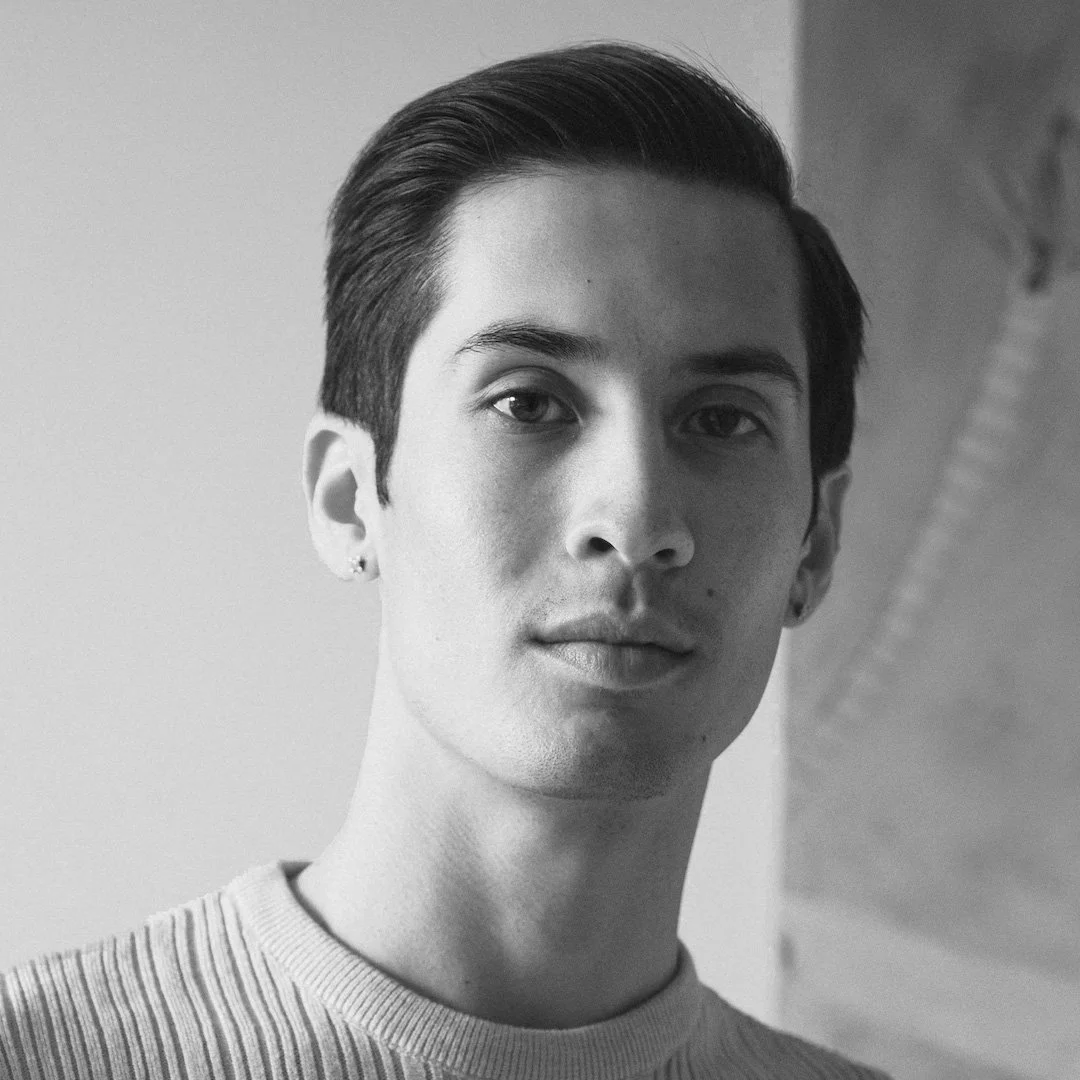
Andrius Alvarez-Backus
Andrius Alvarez-Backus is an interdisciplinary artist working across sculpture, drawing, and painting. His materially driven practice focuses on object-making, spatial experimentation, and painterly construction, a trajectory deepened through participation in the Curatorial Program for Research in 2026.
He received his BFA from The Cooper Union (2023) and his MFA from Columbia University (2025). His work has been presented at the Wallach Art Gallery, Gallery Vacancy, Eli Klein Gallery, Fragment Gallery, Latitude Gallery, Plato Gallery, MAMA Projects, and Nguyen Wahed, among others. Critical writing on his practice has appeared in The Brooklyn Rail, Hyperallergic, Whitehot Magazine, Artspiel, Impulse Magazine, and The Boston Art Review. He was the inaugural Nicholas Dahl Visiting Artist at the Provincetown Art Association & Museum (2025) and is currently an artist-in-residence at Smack Mellon (2025–2026). -
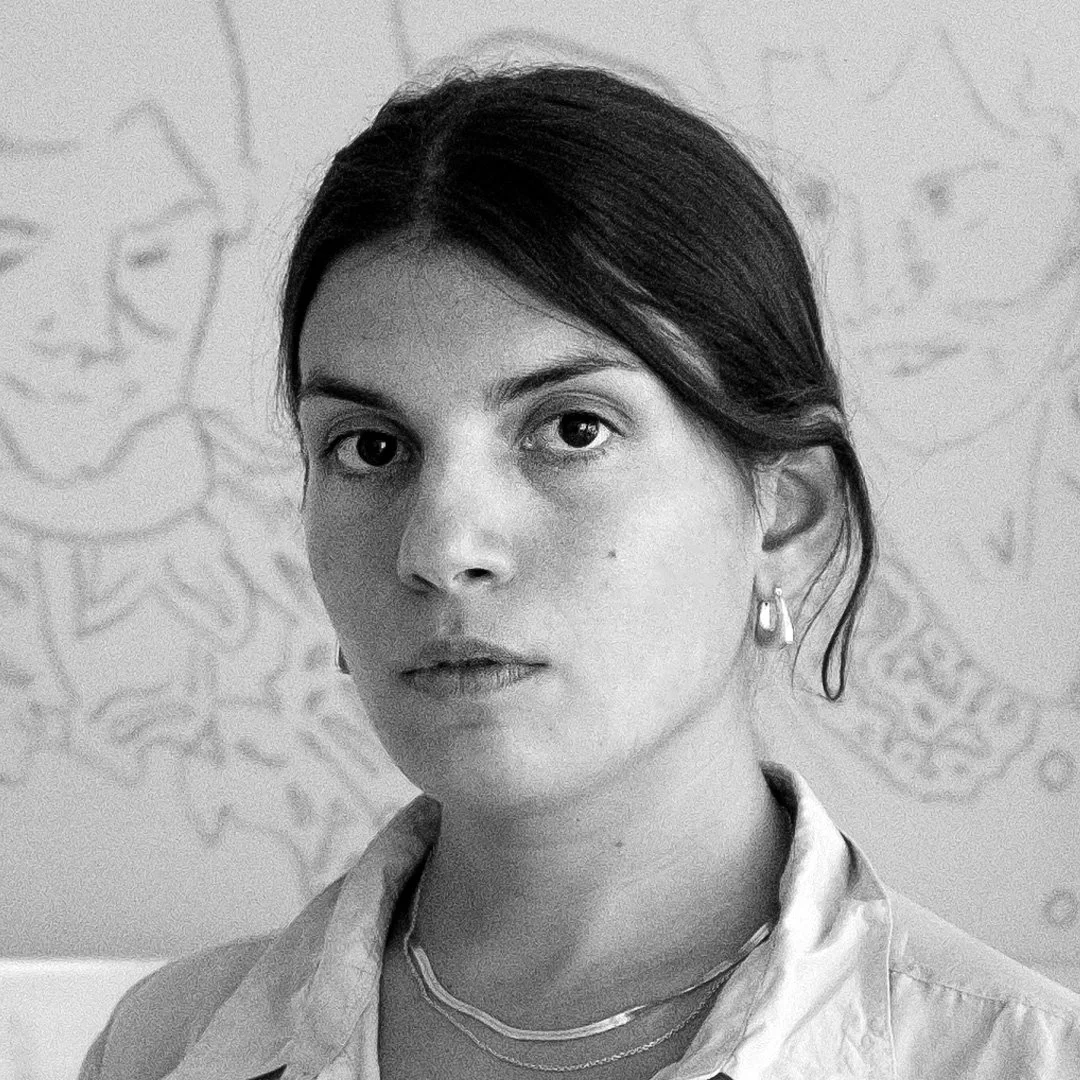
Nicole Economides
Nicole Economides is a Greek-American artist working between Athens and New York. Her participation in the Curatorial Program for Research in 2026 aligns with a practice that bridges painting, new media, and research into visual and archival culture.
Her work engages family photographs, handwritten correspondence, and personal archives to examine belonging, migration, and identity. Through translation and mediated intimacy, she treats memory as a spatial and emotional structure shaped across generations. Economides has exhibited internationally at the Macedonian Museum of Contemporary Art (MOMus), Lincoln Center, and the Stavros Niarchos Foundation Cultural Center. In 2026, she attended the NARS Foundation International Residency Program, and her work has been featured in the Financial Times and other international publications. -
Clo Pantano
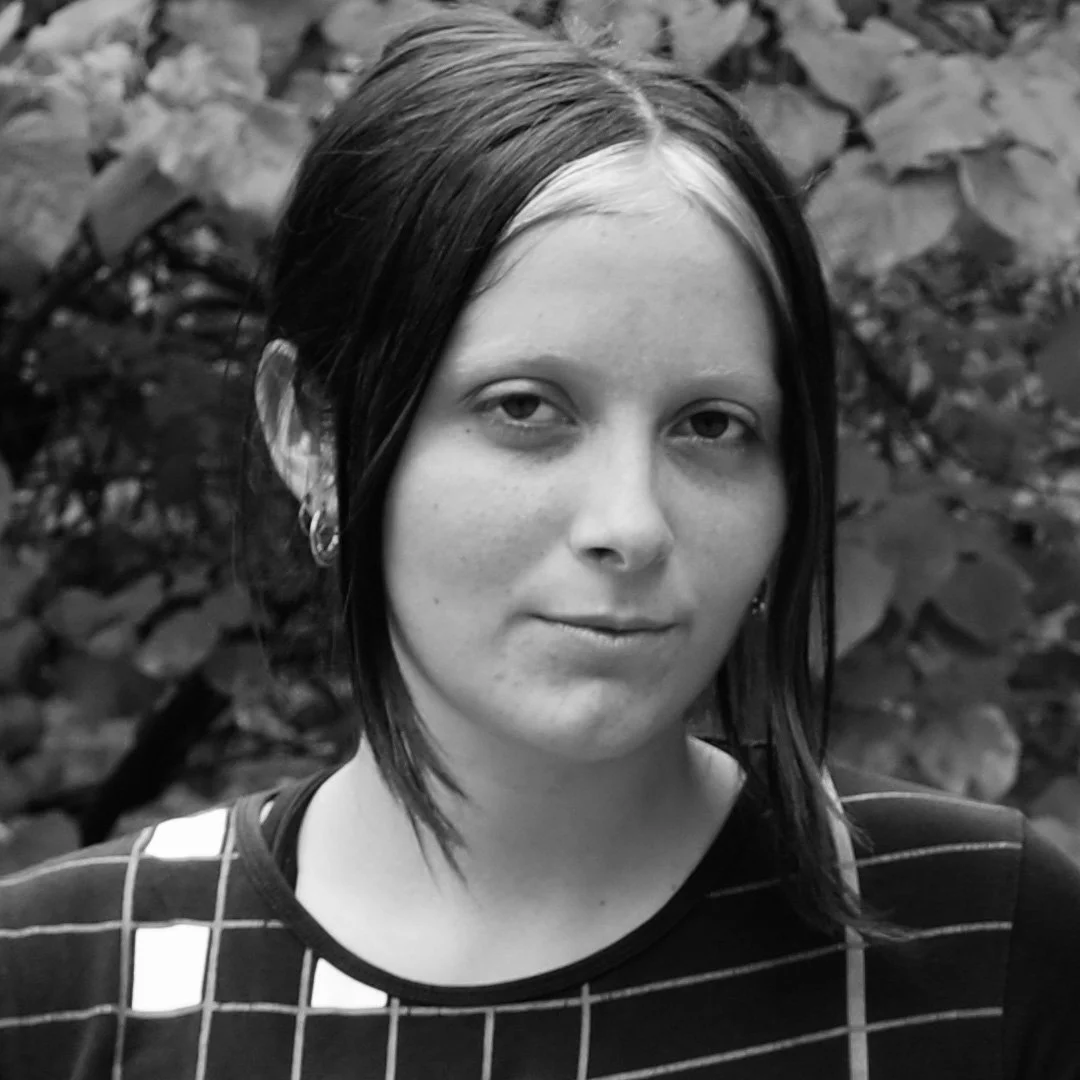
Clo Pantano is an Honduran artist, producer, and curator based in New York. Their practice spans exhibition-making, moving image, and independent curatorial production, developed further through participation in the Curatorial Program for Research in 2026.
Working across installation, video, and site-responsive formats, Pantano’s work engages questions of visibility, autonomy, and cultural memory, often grounded in Latin American contexts and diasporic experience. Solo presentations include Poem Forever (Dale Zine, Miami), La Autonomía de lo Invisible (The Atlanta Contemporary with Eso Tilin Projects), and Fui Ingenux al Pensar Que No Vivíamos Esto (El Parque Cultural de Valparaíso, supported by FONDART, Chile). Their projects have also appeared in the New York Latin American Art Triennial, Salón Gallos (Yucatán Art Week), BIENALSUR (Chile), and Centro Cultural de España (Honduras). In parallel, Pantano has developed curatorial and production work including Sliver of Light (Canal Projects, New York) and Fantasías en Decadencia (Espacio Odeón, Colombia). -
Elisa Lutteral
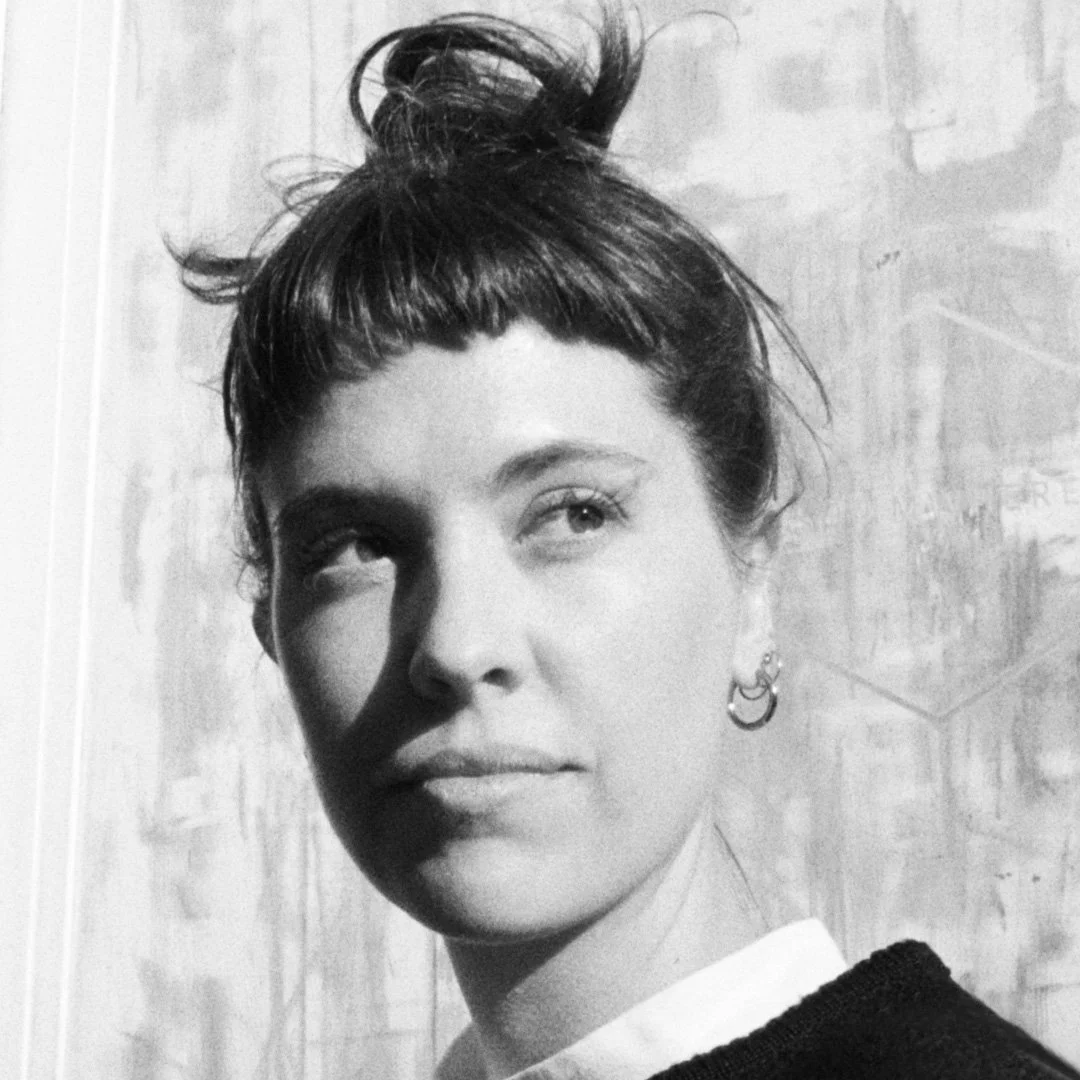
Elisa Lutteral is a multidisciplinary artist based in Brooklyn, New York. Lutteral participated in the Curatorial Program for Research in 2026 as part of a practice rooted in textiles, installation, and material experimentation.
Her work engages textile processes and spatial installation to examine material translation, embodied knowledge, and cross-cultural exchange. Drawing from extensive international residencies, she constructs works that move between surface, structure, and process, often foregrounding the relational conditions of making. Lutteral holds an MFA in Textiles from Parsons, The New School for Design (2023), and a BFA from the University of Buenos Aires (2015). Her residencies include Sakata Orimono, Emma Kreativzentrum, NYLAAT, High Desert Test Sites, Vermont Studio Center, Monson Arts, and the NYFA Mentoring Program for Immigrant Artists. She has exhibited internationally at Kunstraum SUPER, 9020 Klagenfurt Gallery, Selvanegra Gallery, Praxis Gallery, Hostos Center for the Arts & Culture, Textile Arts Center, and New York Live Arts, among others.
-
Yunfei Ren
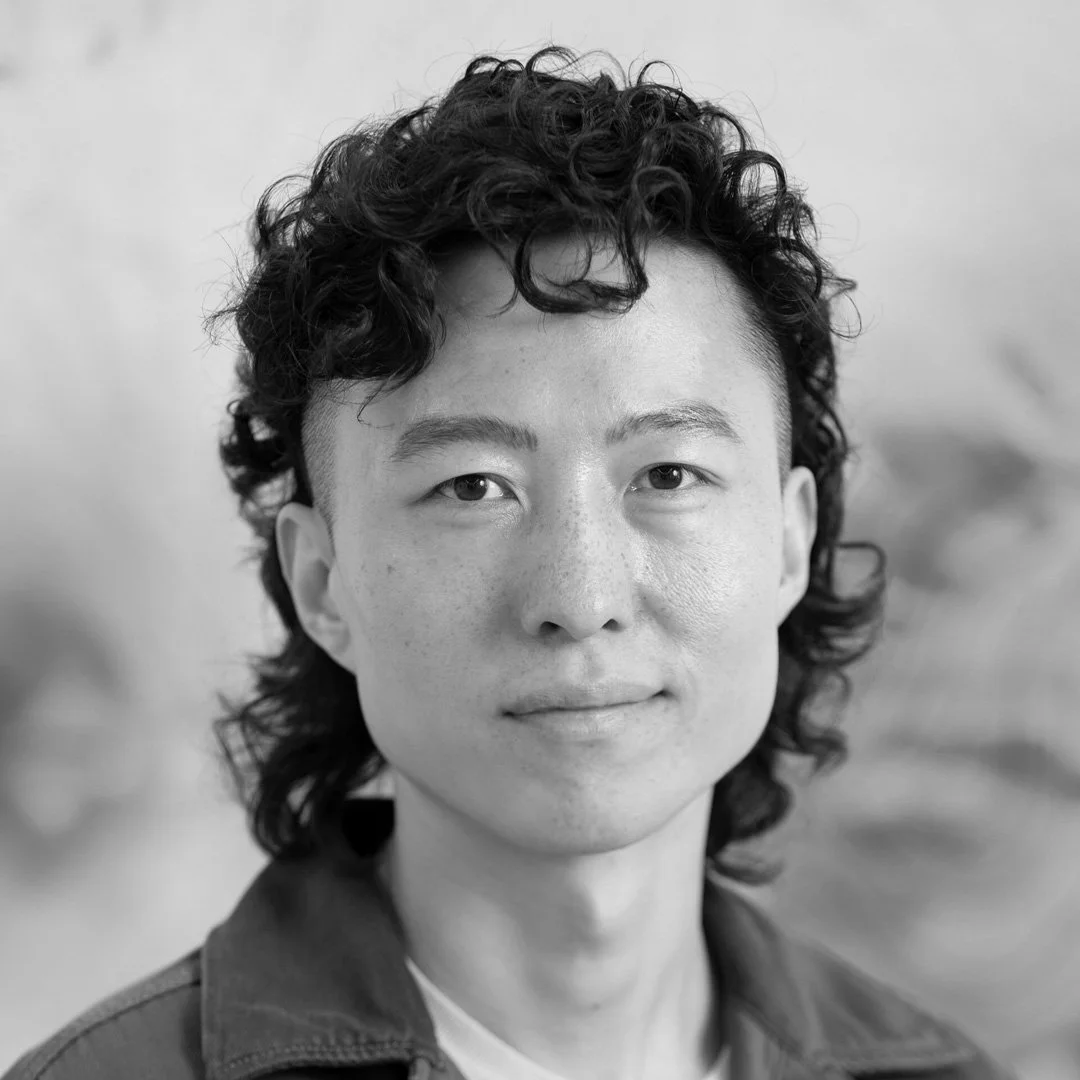
Yunfei Ren is a Chinese artist based in New York City. His practice, which spans painting, installation, and photography, was further developed through participation in the Curatorial Program for Research in 2026, alongside research into migration, memory, and spatial perception.
Working with visual systems drawn from cartography, geology, and meteorology, Ren constructs a controlled language of lines, symbols, and spatial logics. These frameworks allow him to collapse geography and time into layered pictorial structures that reflect on how identity is continuously reshaped through displacement and historical rupture. He holds a BA from Middlebury College and an MFA from Stanford University. His work has been exhibited at Smack Mellon, the de Young Museum, FOR-SITE, and the Chinese Historical Society Museum, and has been featured in The Washington Post. -
Livia Ortiz
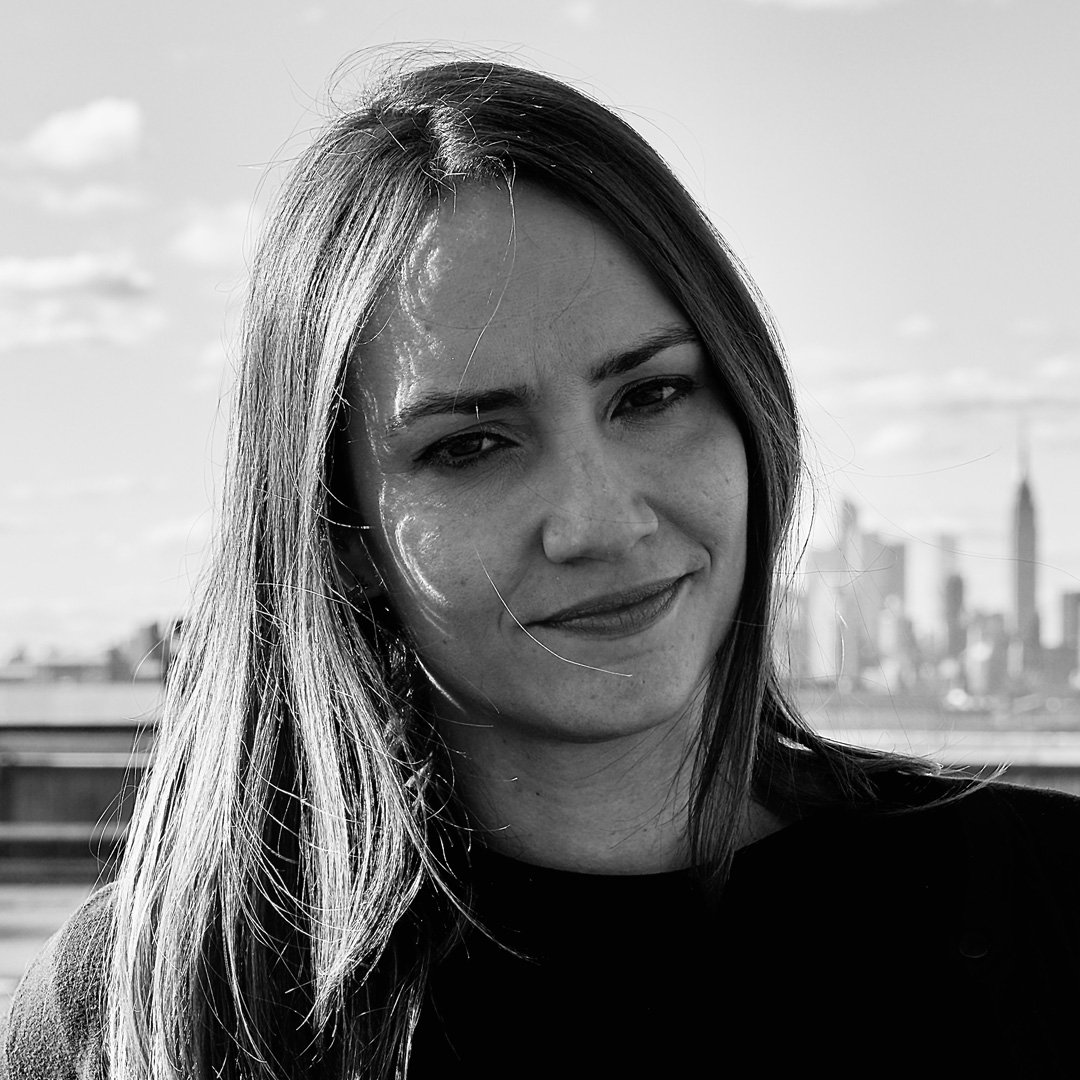
Livia Ortiz Ríos is a Puerto Rican artist based in New York City. Ortiz Ríos participated in the Curatorial Program for Research in 2026 as part of a practice grounded in abstraction, spatial construction, and experimental painting.
Working across oil painting on plexiglass and wood, ceramics, and mixed-media installation, her practice explores fragmentation, transformation, and the tension between chaos and order. Her layered compositions treat transparency, shadow, and spatial relations as active forces, challenging fixed hierarchies while reconfiguring pictorial space. Through abstraction, she develops environments that shift between material density and perceptual instability. Ortiz Ríos has exhibited in the United States, Puerto Rico, Colombia, and internationally, with presentations at NYLAAT, ProxyCo Gallery, Embajada Gallery, and the Museum of Art of Puerto Rico. She has also participated in residencies in Spain, Colombia, and New York, supporting a practice shaped by transnational exchange and material inquiry.
-
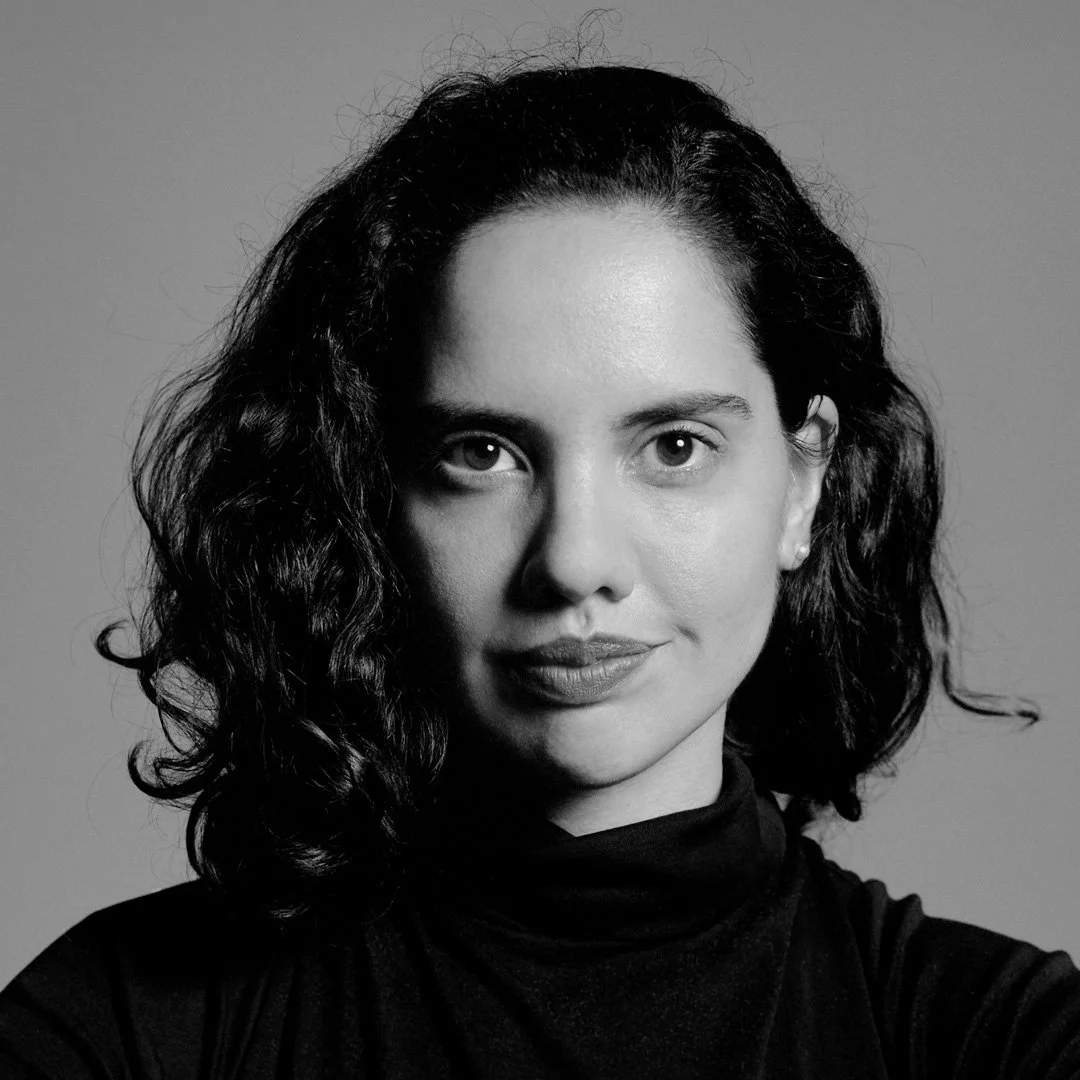
Lolo Ostia
Lolo Ostia is a Peruvian artist based in New York City. Ostia’s practice spans spatial design, photography, and biodesign-oriented research, and was further developed through the Curatorial Program for Research in 2026.
Working across lens-based media, light installation, and sculptural systems, her work examines the relationship between living systems and constructed environments, where luminescence, decay, and growth function as active materials. She frequently collaborates with microbial and organic processes, exploring non-human agency as a co-author of artistic outcomes. Alongside her studio practice, Ostia is deeply involved in pedagogy through her work at ICP–NYC, where she supports experimental and ecological approaches to image-making. Her research on biodesign education has been published by Cambridge University Press, and she is the inaugural recipient of the Marco Castro Cosio Media, Art and Technology Fellowship at Columbia University. -
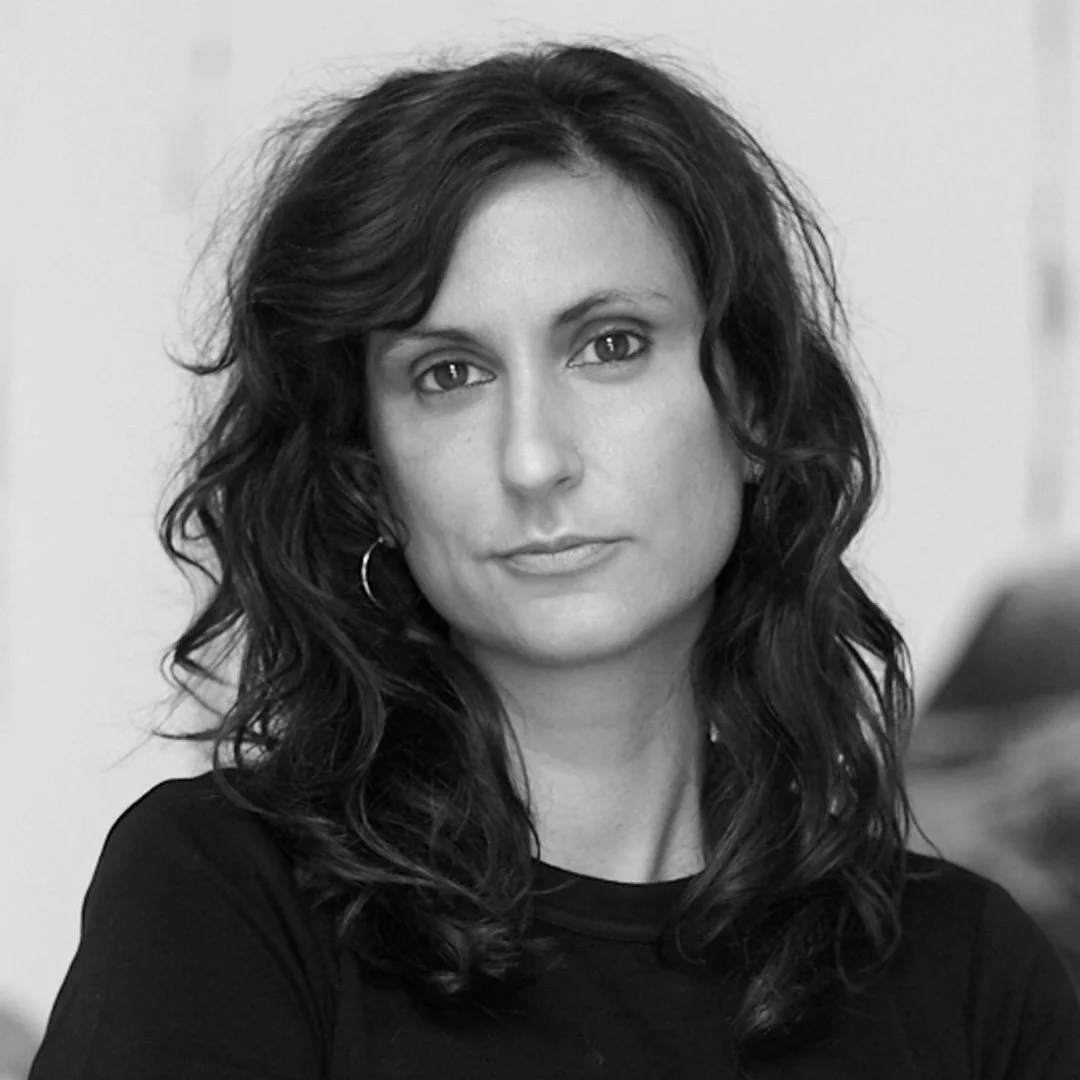
Luciana Pinchiero
Luciana Pinchiero is an Argentine artist based in Brooklyn, New York. Pinchiero participated in the Curatorial Program for Research in 2026 as part of a practice informed by painting, installation, and expanded exhibition formats.
She received her MFA from Parsons The New School for Design (New York) and her BFA from Otis College of Art and Design (Los Angeles). Her work operates within a transnational framework spanning Latin America, North America, and Europe, shaped by ongoing engagement with exhibition-making and spatial composition. Pinchiero has exhibited in museums and galleries across Argentina, the United States, and Europe. She is a recipient of the LungA School Residency Fellowship in Iceland and participated in the 38th cycle of the AIM program at the Bronx Museum of the Arts. Her recent solo exhibition was presented at Praxis Gallery (New York), and her first public installation was commissioned by MuseumsQuartier Vienna, Austria.
-
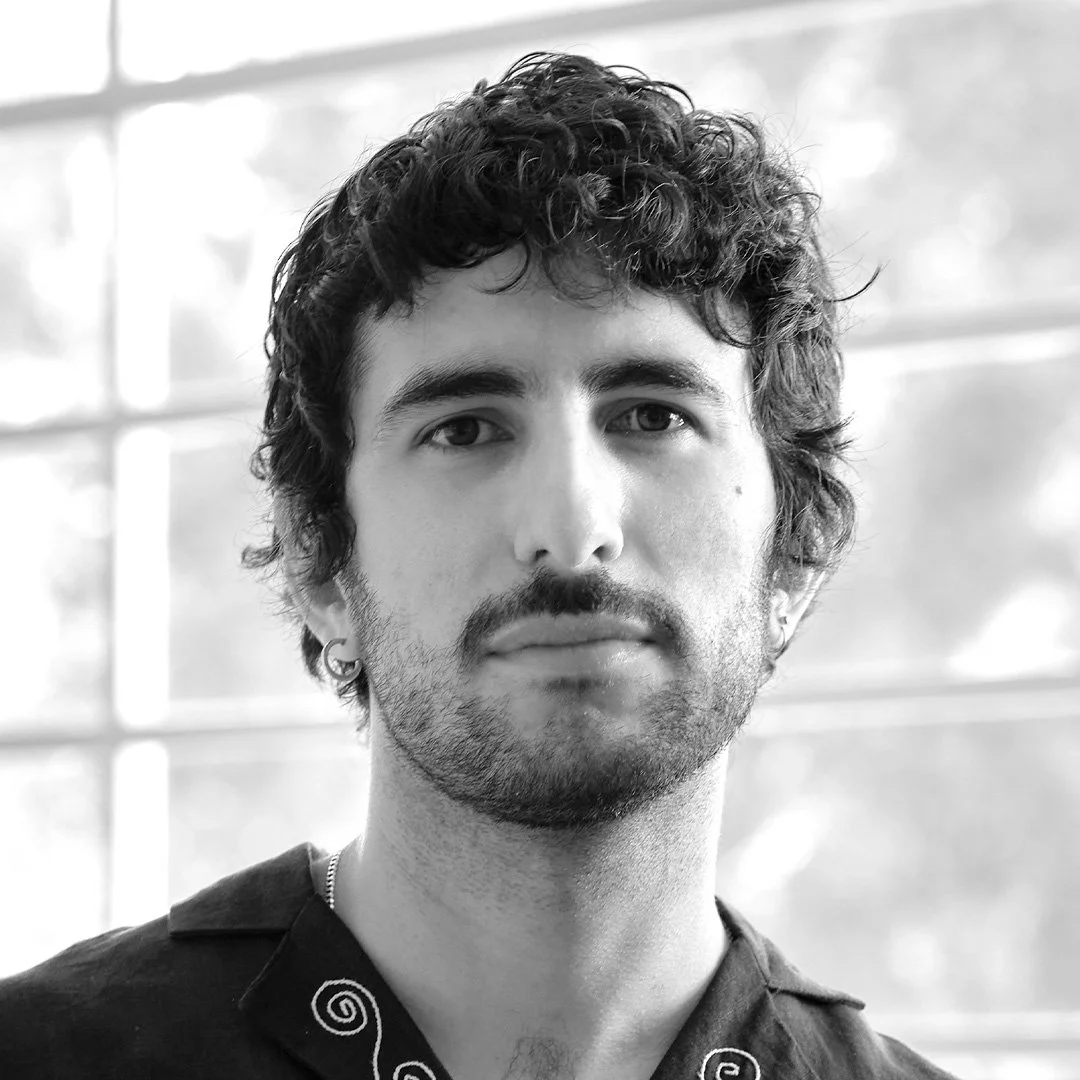
Maximiliano Ruelas
Maximiliano Ruelas is a Mexican artist working between textile practices, image-making, and installation. His research-based practice, which engages histories of material culture, clothing, and colonial ecology, was further shaped through participation in the Curatorial Program for Research in 2026.
Drawing from textile and garment processes, he constructs narrative systems that move across social and historical contexts, where dress, landscape, and corporeality intersect. His work develops a chimerical visual language that questions imposed structures of identity while tracing relationships between human and non-human systems. Ruelas has exhibited internationally across Mexico, the United Kingdom, Italy, and the Netherlands. He holds a BA from Polimoda in Florence and lives and works in Guadalajara. -
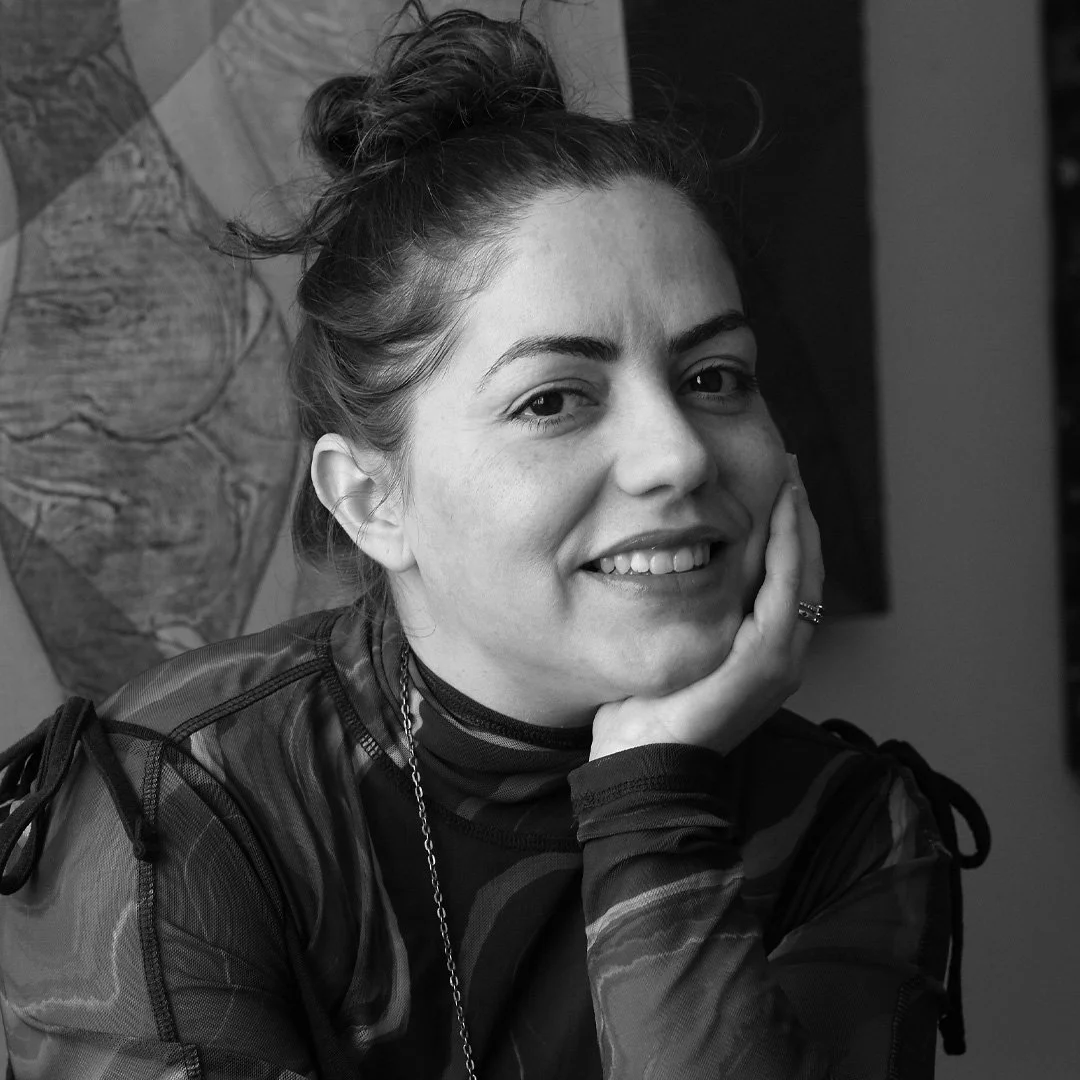
Nora Maité Nieves
Nora Maité Nieves is a Puerto Rican artist based in New York City. Nieves participated in the Curatorial Program for Research in 2026 as part of a materially grounded practice focused on abstraction, memory, and spatial perception.
Working across painting, fiber, and expanded material processes, her work develops abstract visual systems derived from architectural details and natural forms, exploring questions of identity, belonging, and place. Through layered compositions and material experimentation, she translates sensory and environmental observations into shifting spatial structures that move between stability and fluidity. Nieves holds an MFA in Fiber and Materials Studies from the School of the Art Institute of Chicago and a BFA in Painting from the Escuela de Artes Plásticas y Diseño de Puerto Rico. Her recent solo exhibitions include Eyes of the Sea (Times Square Arts Midnight Moment, New York), Clouds in the Expanded Field (Norton Museum of Art, Florida), and Temples of the Sea (Jason Haam Gallery, Seoul).
-
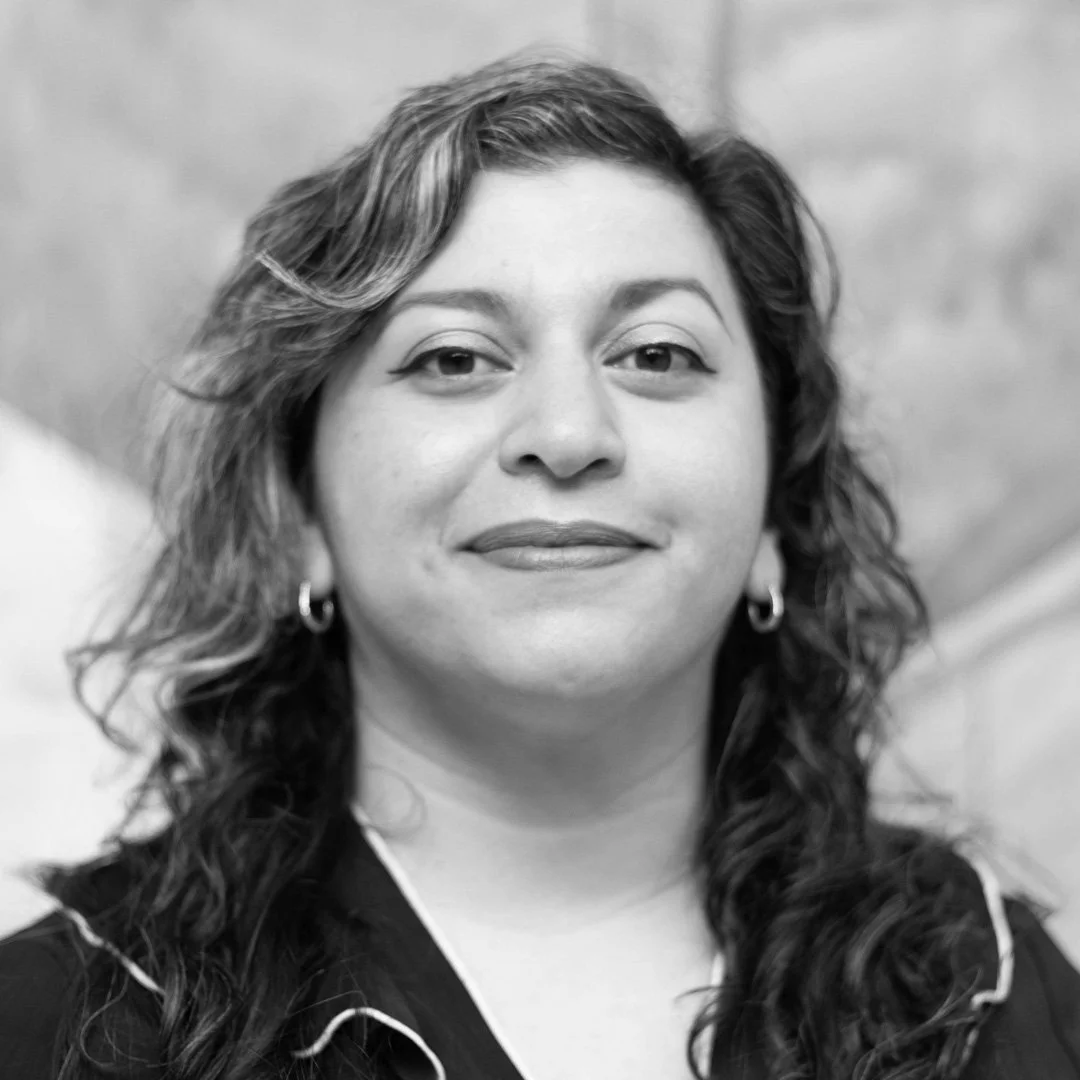
Victoria Martinez
Victoria Martinez is an interdisciplinary artist born in Chicago, Illinois, working across textile-based practices, painting, installation, and public art. Martinez participated in the Curatorial Program for Research in 2026 as part of a practice grounded in material research, ancestral memory, and architectural form.
Her work engages her Mexican-American ancestry through explorations of ancient sites, urban environments, and built landscapes, translating these references into layered spatial and pictorial compositions. Moving between painting, textile processes, and installation, she examines how cultural memory is embedded in material form and spatial experience. Martinez has exhibited at institutions including the Yale University Art Gallery, the National Museum of Mexican Art (Chicago), the McNay Art Museum, and Museo Universitario del Chopo (Mexico City). Her practice has been supported by the Beinecke Rare Book & Manuscript Library Research Fellowship at Yale University, the Actos de Confianza Grant from NALAC, and a travel grant from the Theaster Gates Rebuild Foundation. She holds a BFA from the Minneapolis College of Art and Design and an MFA in Painting and Printmaking from the Yale School of Art.
-
Zhu Gaocanyue
Zhu Gaocanyue is a multidisciplinary Chinese artist, educator, and publisher based in New York City. Their participation in the Curatorial Program for Research in 2026 aligns with a practice centered on printed matter, installation, and artist books.
Using images as a visual vocabulary, their work examines how reproduction, sequencing, and surface condition shape the reading of people, objects, and histories. Through publishing and installation-based formats, Zhu investigates the unstable boundary between documentation and interpretation, constructing layered visual systems that resist fixed meaning. In 2024, they co-founded zug press with Zuya Yang, an artist-led collective working across publishing, design, curation, and art direction. -
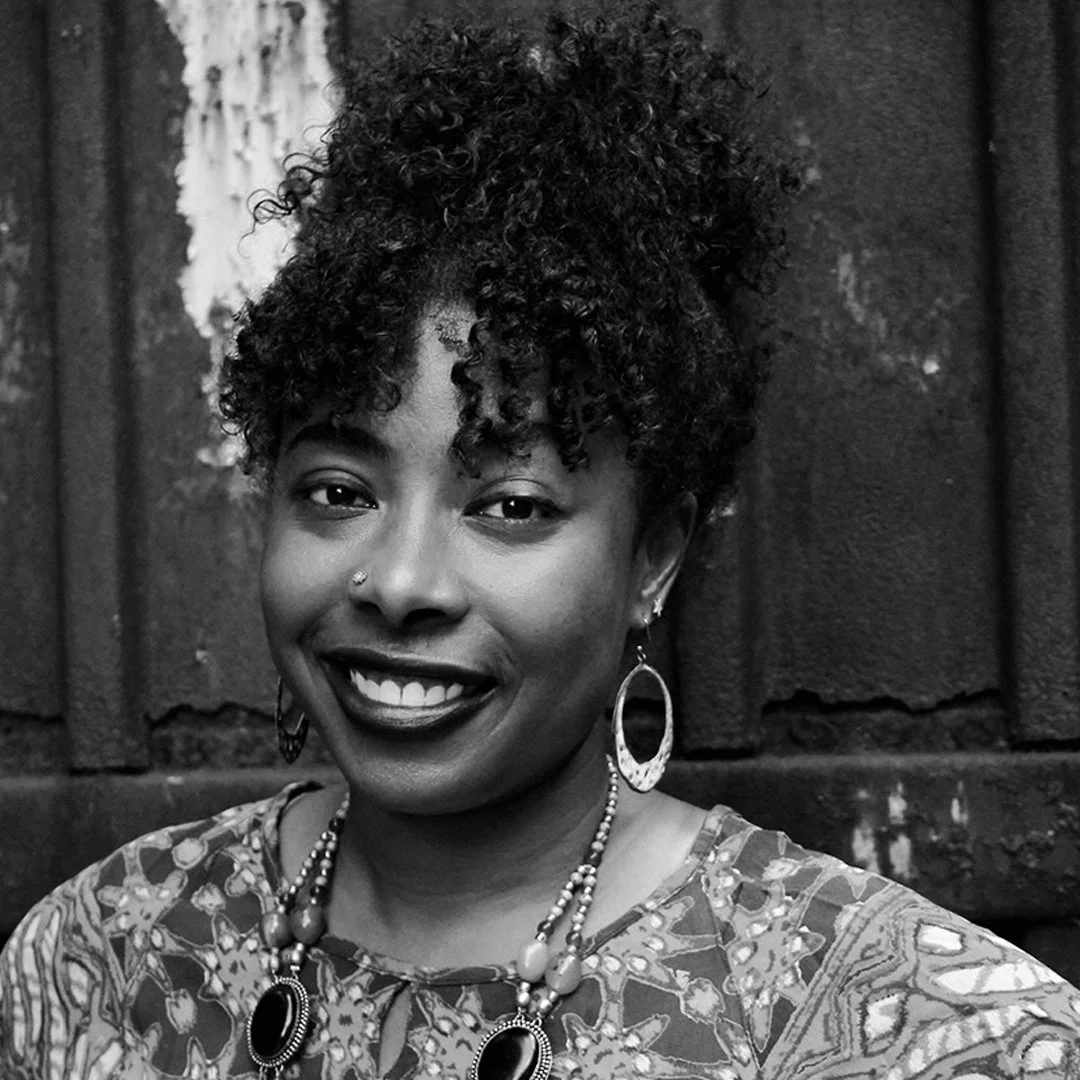
Zipporah Camille Thompson
Zipporah Camille Thompson is a multidisciplinary artist working across experimental weaving, ceramics, and sculpture. Thompson participated in the Curatorial Program for Research in 2026 as part of a materially driven practice engaging hybridity, transformation, and the Black imaginary.
Her work develops sculptural assemblages and composite forms that draw from mythology, ritual, and “make-do” culture, constructing shifting bodies and landscapes that move between cosmic and ancestral registers. Through these formations, she explores alchemical processes of transformation, attending to states of crisis, embodiment, and relations between land, water, and the otherworldly. Thompson holds an MFA from the University of Georgia. Her practice has been supported by Skowhegan School of Painting and Sculpture, the Socrates Fellowship, the South Arts Georgia Fellowship, and the Artadia Award, and she lives and works between Atlanta and Brooklyn.
-
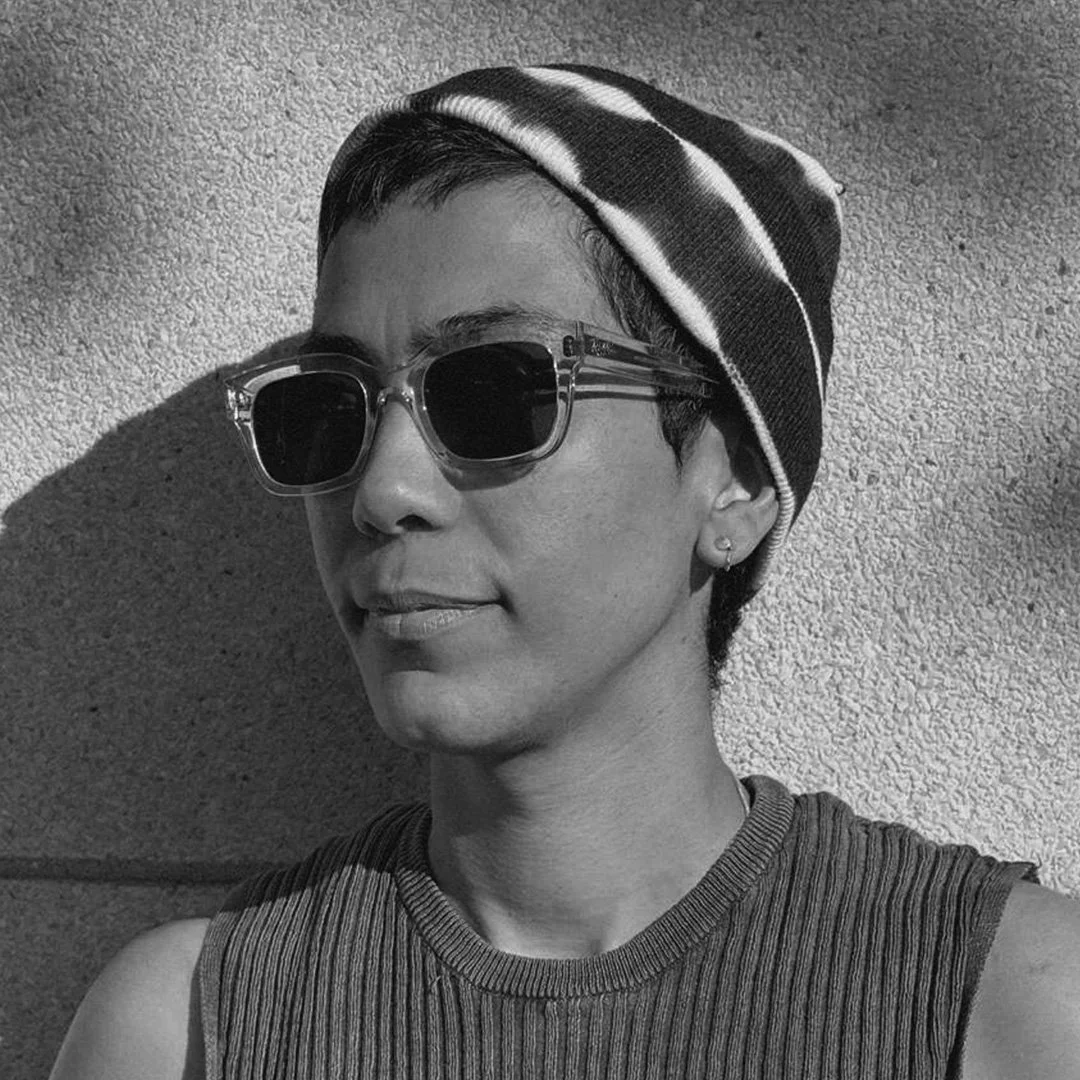
Pegah Pasalar
Pegah Pasalar is a visual artist working across moving image, installation, sculpture, and text. Pasalar participated in the Curatorial Program for Research in 2026 as part of a research-driven practice grounded in displacement, language, and the politics of representation.
Their work traces gaps, absences, and silences within historical and linguistic structures, using these ruptures to open alternative modes of meaning and perception. Working across experimental film, spatial installation, and text-based forms, Pasalar approaches displacement as both lived condition and conceptual framework, challenging dominant narrative systems through fragmentation and refusal. They were the Elaine G. Weitzen Studio Program Fellow at the Whitney Museum Independent Study Program and hold an MFA from the School of the Art Institute of Chicago. Their work has been presented at Framer Framed, e-flux, ArteEast, Westbeth, and A.I.R. Gallery, among others, alongside fellowships and residencies at Kala Art Institute, Bemis Center for Contemporary Arts, and Yaddo.
2026 → (Self) Organization in North Africa
-
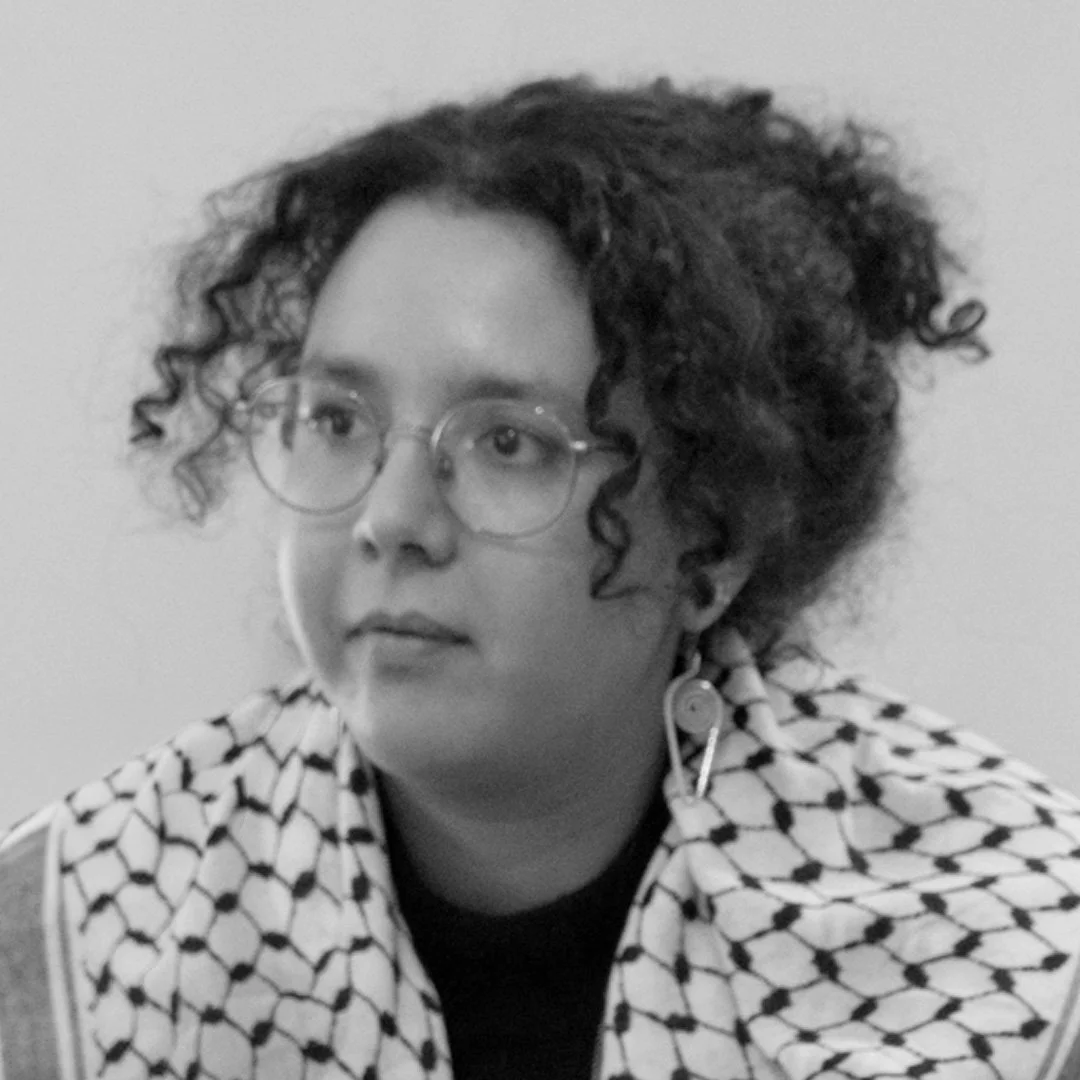
Lydia Amarouche
Lydia Amarouche is a curator and publisher based in Marseille. Amarouche participated in the Curatorial Program for Research in 2026 as part of a practice focused on publishing, archival methodologies, and experimental editorial formats.
Her work treats publishing as a site of curatorial inquiry, activating archives through books, exhibitions, and collective pedagogical structures. With a background in sociology, anthropology, and history from the École Normale Supérieure, she approaches the book as both material object and social infrastructure. In 2020, she founded Shed Publishing, an independent press dedicated to political critique and experimental publishing, which also hosts public programs of workshops and gatherings. She later co-founded Co-prisme (2023), an initiative developing anti-discrimination training for cultural institutions. Amarouche has taught at Aix-Marseille University, and as a Villa Albertine resident (2024), researched anticolonial book practices in the United States. In 2025, she established a Marseille-based reading room dedicated to anticolonial printed matter.
-
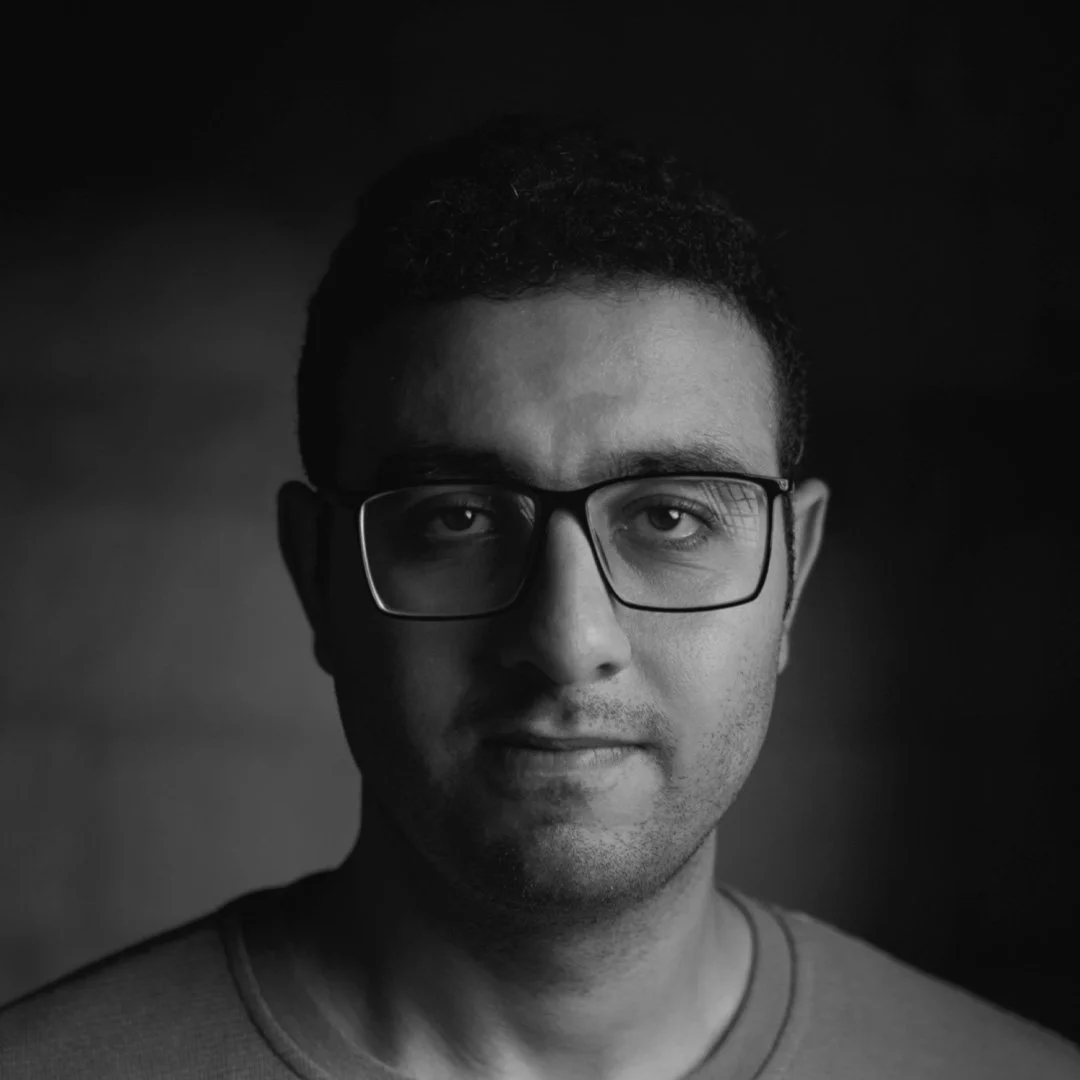
Muhammad Amine
Muhammad Amine is a researcher in visual culture and cinema and a curator based in Egypt. Amine participated in the Curatorial Program for Research in 2026 as part of a practice engaging image culture, urban and sonic histories, and the politics of representation in the Global South.
His work develops film programs, public forums, and interdisciplinary educational initiatives that examine the social and economic conditions of image production. Working across institutional and independent contexts, he treats cinema and moving images as sites where political, affective, and material structures intersect, with attention to practices of gathering, solidarity, and intimacy. His curatorial projects include We may construct the world, but we cannot imagine it, which examines development and underdevelopment in cinema; We carry in our worlds that flourish, our worlds that have failed, a tribute to Ousmane Sembene; and Beyond the Borders Forum, which explores cross-medium image practices and conditions of access and exhibition.
-
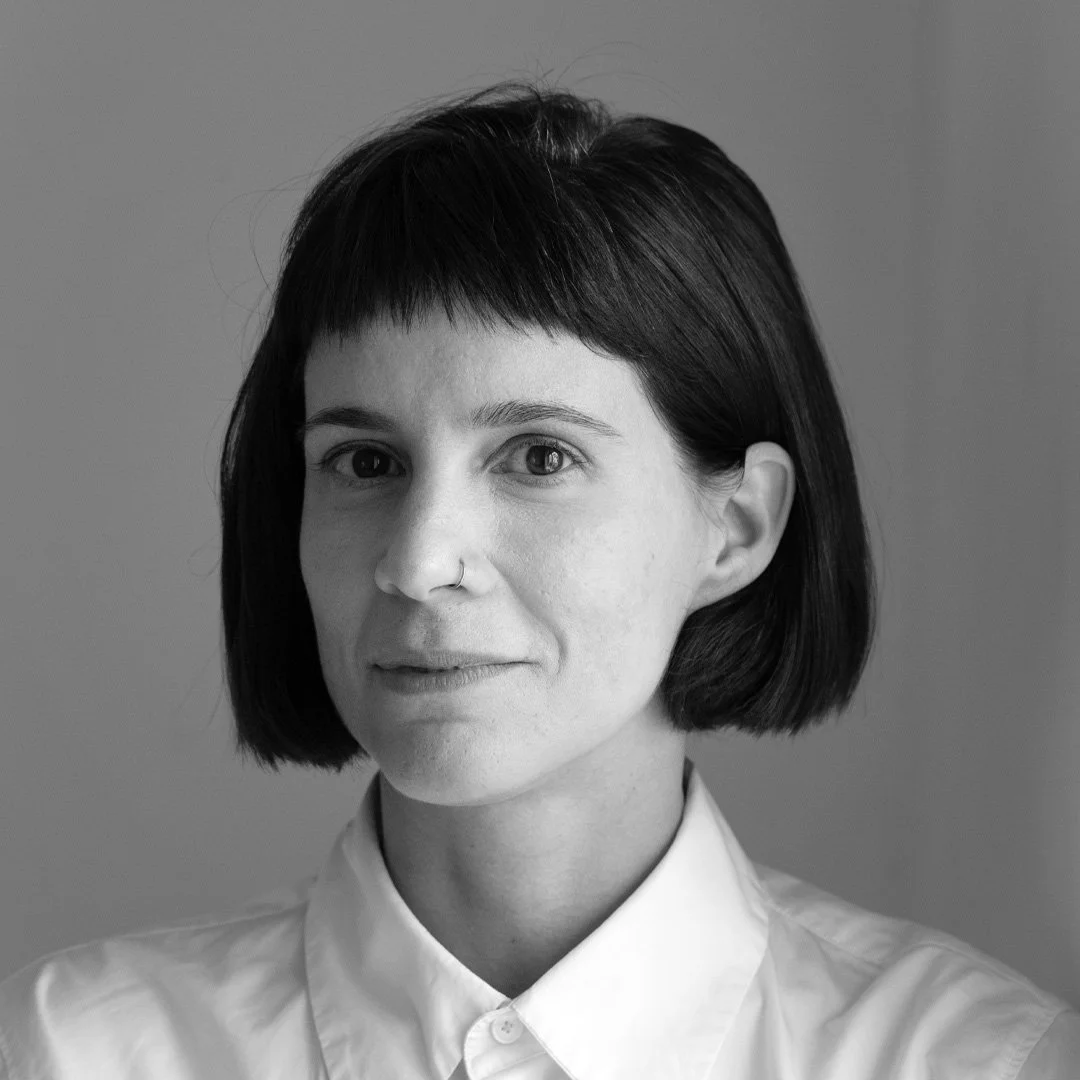
María Carri
María Carri is a curator, critic, and scholar based in Buenos Aires working with contemporary Latin American and Indigenous art. Carri participated in the Curatorial Program for Research in 2026 as part of a practice grounded in Indigenous epistemologies, institutional critique, and collaborative methodologies.
Her work explores curatorial practice as a space for rethinking knowledge production and exhibition formats within Latin American contexts. She curated Silät (Hessel Museum, 2023), the first U.S. presentation and trilingual publication of Thañí, and co-curated Ñande Róga, an exhibition focused on Feliciano Centurión’s archive at ISLAA, New York. She has also served on the curatorial advisory board of Cantando Bajito at the Ford Foundation Gallery (2024). Previously, she held positions at the Museo de Arte Moderno de Buenos Aires and Kunstinstituut Melly, and has received grants and residencies including Pivô Pesquisa (2024). She holds an MA from the Center for Curatorial Studies, Bard College, and is Visiting Professor of Contemporary Art at Universidad Torcuato Di Tella.
-
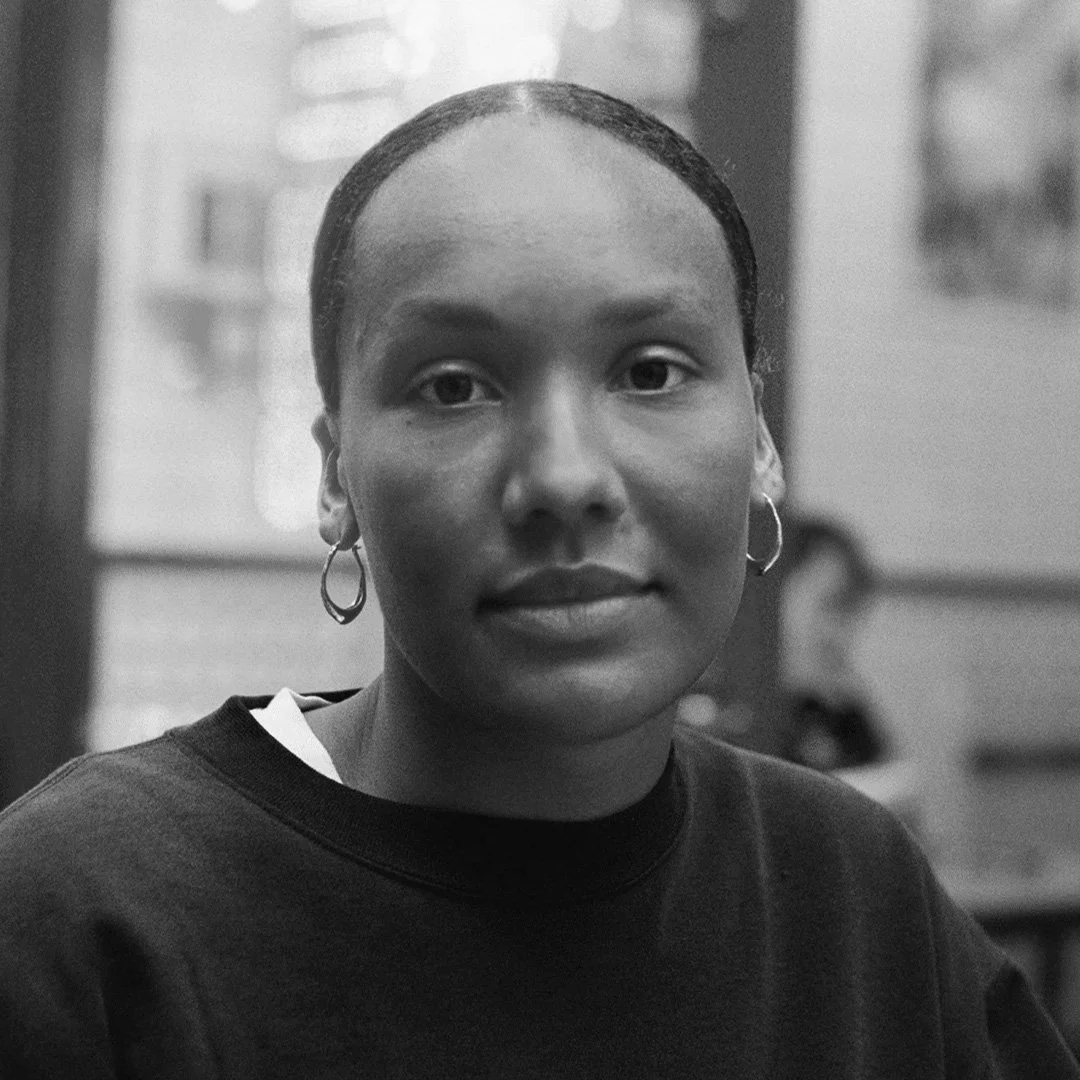
Abiba Coulibaly
Abiba Coulibaly is a film curator with a background in critical geography, working at the intersection of ethics, aesthetics, and spatial justice. Coulibaly participated in the Curatorial Program for Research in 2026 as part of a curatorial practice concerned with cinema as a civic and spatial infrastructure.
Her work expands film curation into a social and architectural register, treating cinema as a distributed public space shaped by questions of access, equity, and collective attention. She is the founder of Brixton Community Cinema and Atlas Cinema, long-term initiatives that reframe exhibition-making as a form of civic engagement. Coulibaly has developed projects at the intersection of moving image and urban space, including the London Festival of Architecture’s People at the Centre of Brixton commission, and has taught at the School of Architecture, Royal College of Art. Her fellowships include TBA21–Academy’s Ocean Fellowship (2021), LUX Moving Image Curator in Residence (2023), and the Fluxus Curatorial Laureate (2026).
-
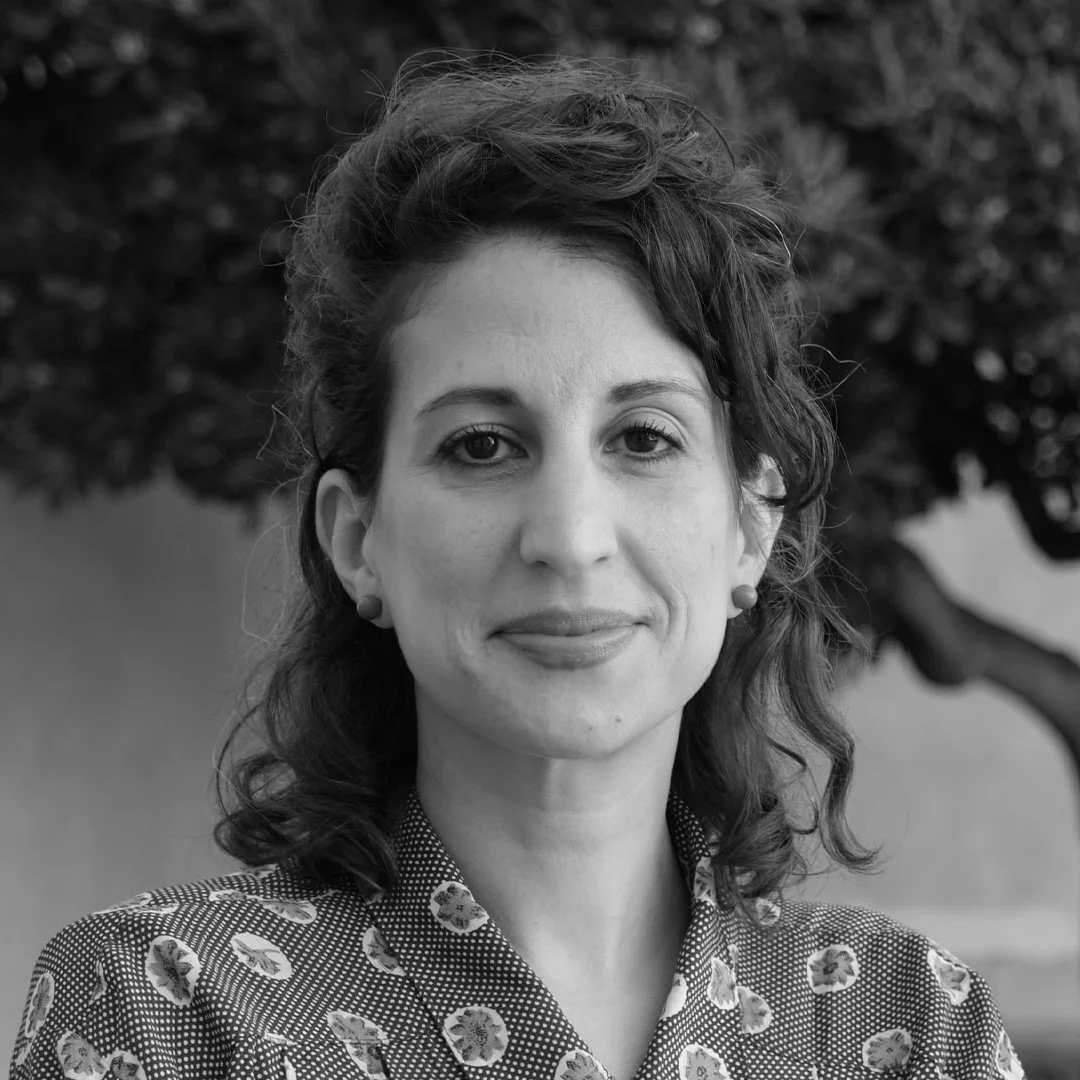
Giulia Crisci
Giulia Crisci is a researcher and curator working across performance studies, sonic practices, and pedagogical experimentation. Crisci participated in the Curatorial Program for Research in 2026 as part of a curatorial-research practice grounded in oral archives, radio art, and non-hegemonic knowledge systems.
Her work investigates how performance and sound operate as modes of knowledge production, with a focus on radio, pedagogy, and oral histories. The South functions in her research both as a geographic and epistemic horizon, shaping methodologies rooted in situated and collective listening practices. She is a founding member of PerLA, a research unit on performance epistemologies at Iuav University of Venice, where she completed a PhD in Art Theory and Performance Studies focused on radio art in the Mediterranean as a decolonial and feminist field of inquiry. Her current projects include Radio Commons, a platform for sonic experimentation shaped by archipelagic thinking, and Limone Lunare, an oral archive of social movements in Sicily. She has collaborated with UNIDEE, Fondazione Pistoletto, Short Theatre, Relais Culture Europe, and roots&routes magazine.
-
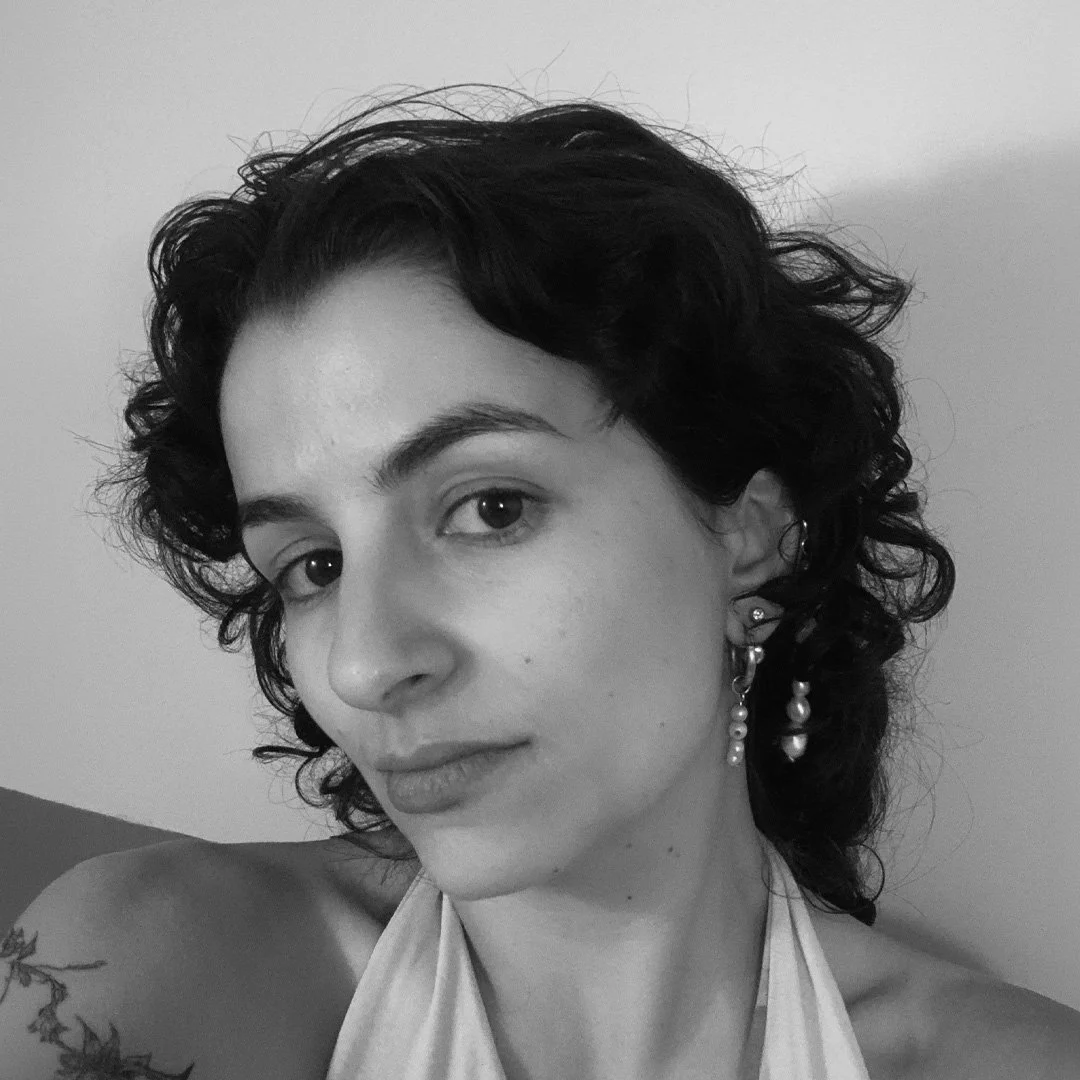
Elia-Rosa Guirous
Elia-Rosa Guirous-Amasse is a curator and art writer based between Paris and Copenhagen. Guirous-Amasse participated in the Curatorial Program for Research in 2026 within a practice centered on technocritical inquiry, contemporary writing, and embodied politics.
Her work examines how digital infrastructures shape regimes of visibility and control, situating curatorial practice within broader questions of power and interconnection. In 2023, she founded connectedmatter, a collective operating as both platform and proposition that frames interconnection as an aesthetic and political condition. Working across exhibitions, writing, and collaborative formats, she develops curatorial languages attentive to technological mediation and lived experience. Guirous-Amasse holds degrees in philosophy and political science, including an MA from Université Paris 1 Panthéon-Sorbonne and Universidad Complutense de Madrid, as well as an MA in Visual Arts Administration from New York University. She has collaborated with institutions including Performa, Venice Biennale, Jeu de Paume, Nagler Draxler, Simian, Softer, and Haus der Statistik.
-
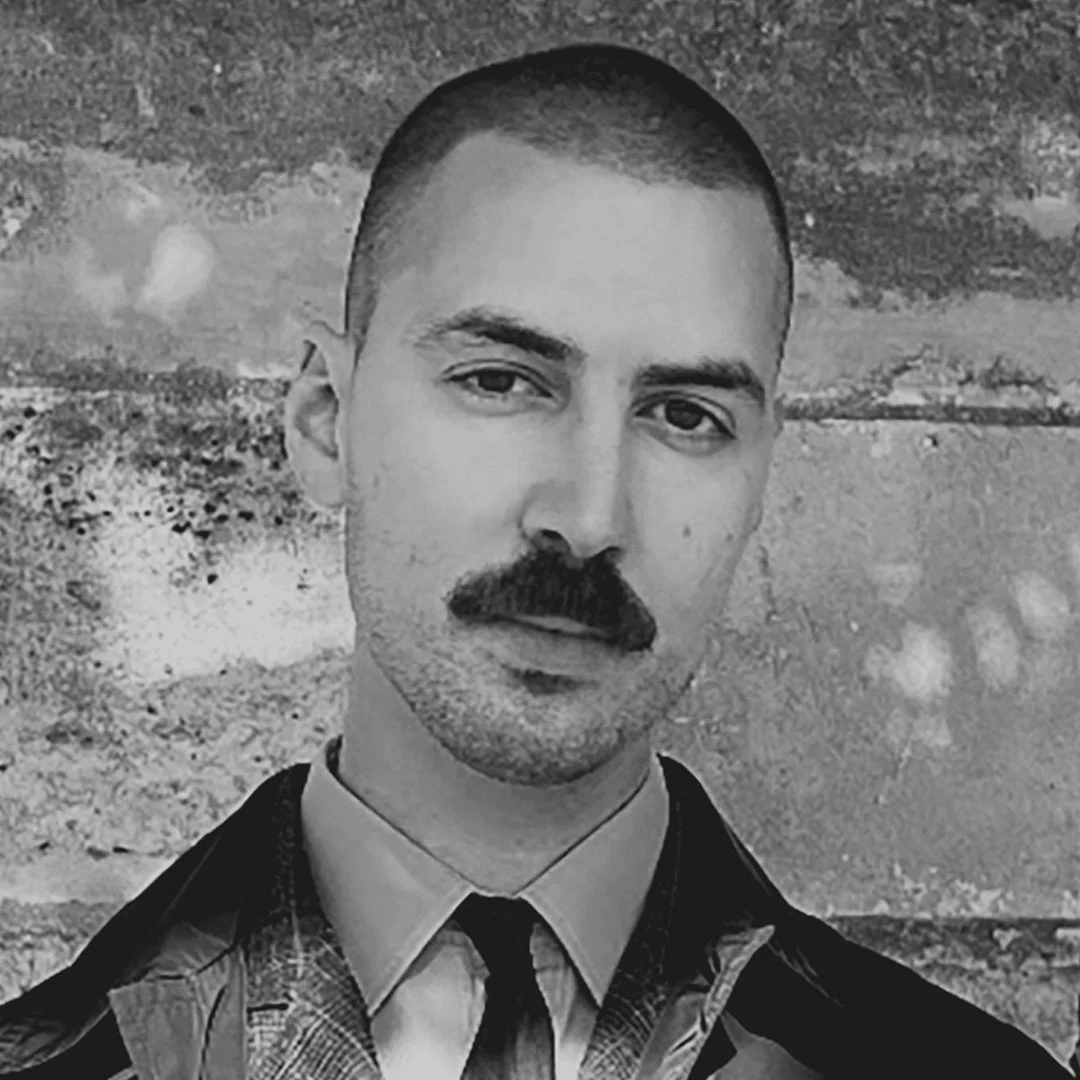
Skander Alexander Kateb
Skander Alexander Kateb is a curator and art historian working across institutional practice, public programming, and pedagogy. Kateb participated in the Curatorial Program for Research in 2026 as part of a practice focused on museum education, audience engagement, and expanded curatorial publics.
His work develops transhistorical approaches to collections and exhibition-making, linking art historical research with contemporary institutional discourse. He holds an MA in Aesthetics from Södertörn University and a BA in Art History from Stockholm University, with additional research at the Swedish Institute in Rome and at the Sorbonne University in Islamic art history. Since 2025, he has been Curator of Public Programs at Moderna Museet in Stockholm, following his role as Curator of Learning at Nationalmuseum, where he developed community-oriented and participatory initiatives. He also works with Shako Mako and serves as curatorial advisor to Malmö’s Contemporary Islamic Art project.
-
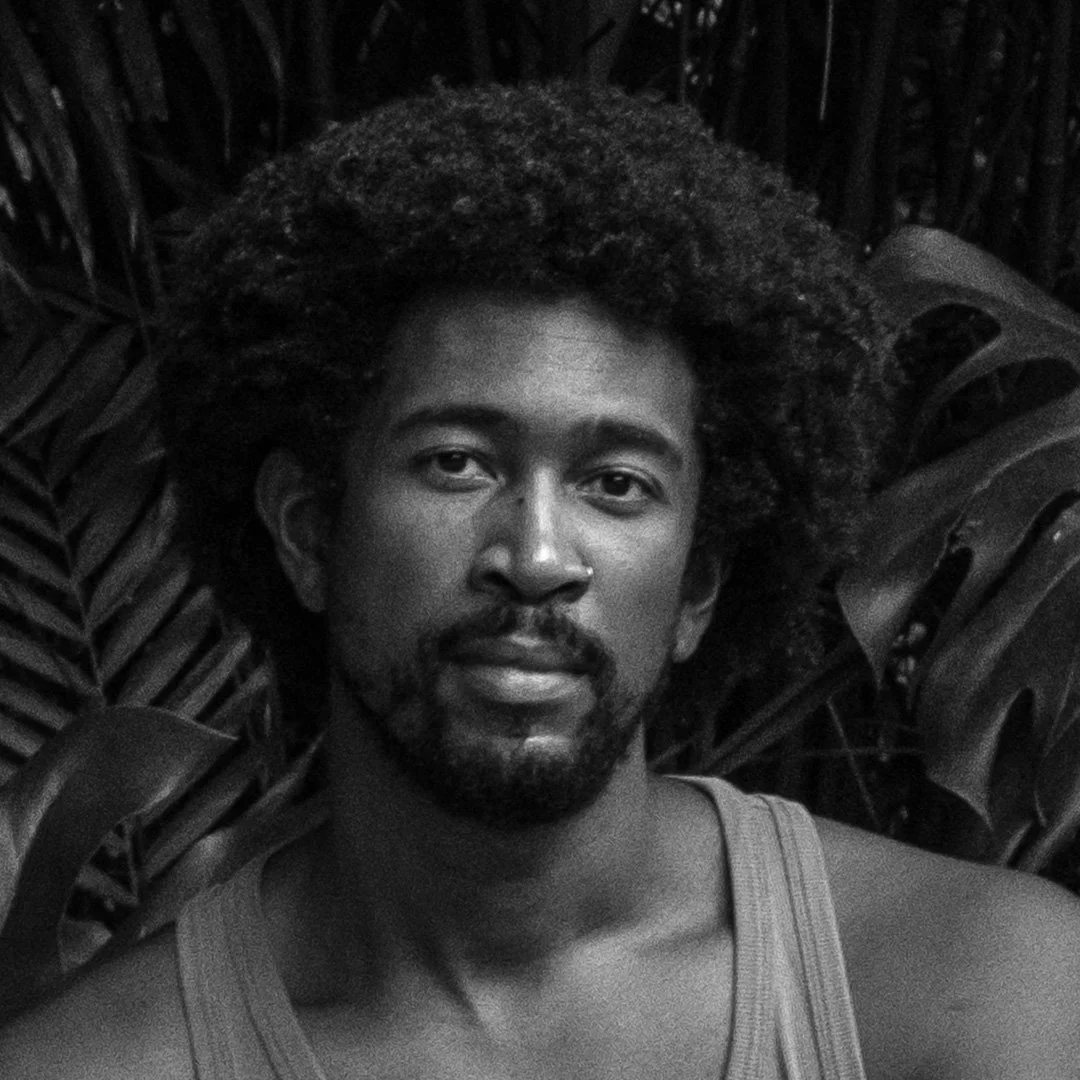
Gervais Marsh
Gervais Marsh is a writer, curator, and scholar from Kingston, Jamaica. Marsh participated in the Curatorial Program for Research in 2026 as part of a practice grounded in relationality, intimacy, and collective knowledge production.
Their work engages exhibition-making, public art, and critical writing as interconnected practices for producing affective and political forms of engagement. As Associate Curator at Creative Time, Marsh develops programs in collaboration with artists across media, foregrounding vulnerability, uncertainty, and process over resolution. Their curatorial approach is informed by Black feminist thought, emphasizing citation as a collaborative and situated act. Marsh holds a PhD in Performance Studies from Northwestern University and is an alumna of the Whitney Museum Independent Study Program. Their writing appears in Nka, The Financial Times, Hyperallergic, The Brooklyn Rail, Momus, and ARTS.BLACK. They also teach across Black feminist, Caribbean, queer, and visual culture studies.